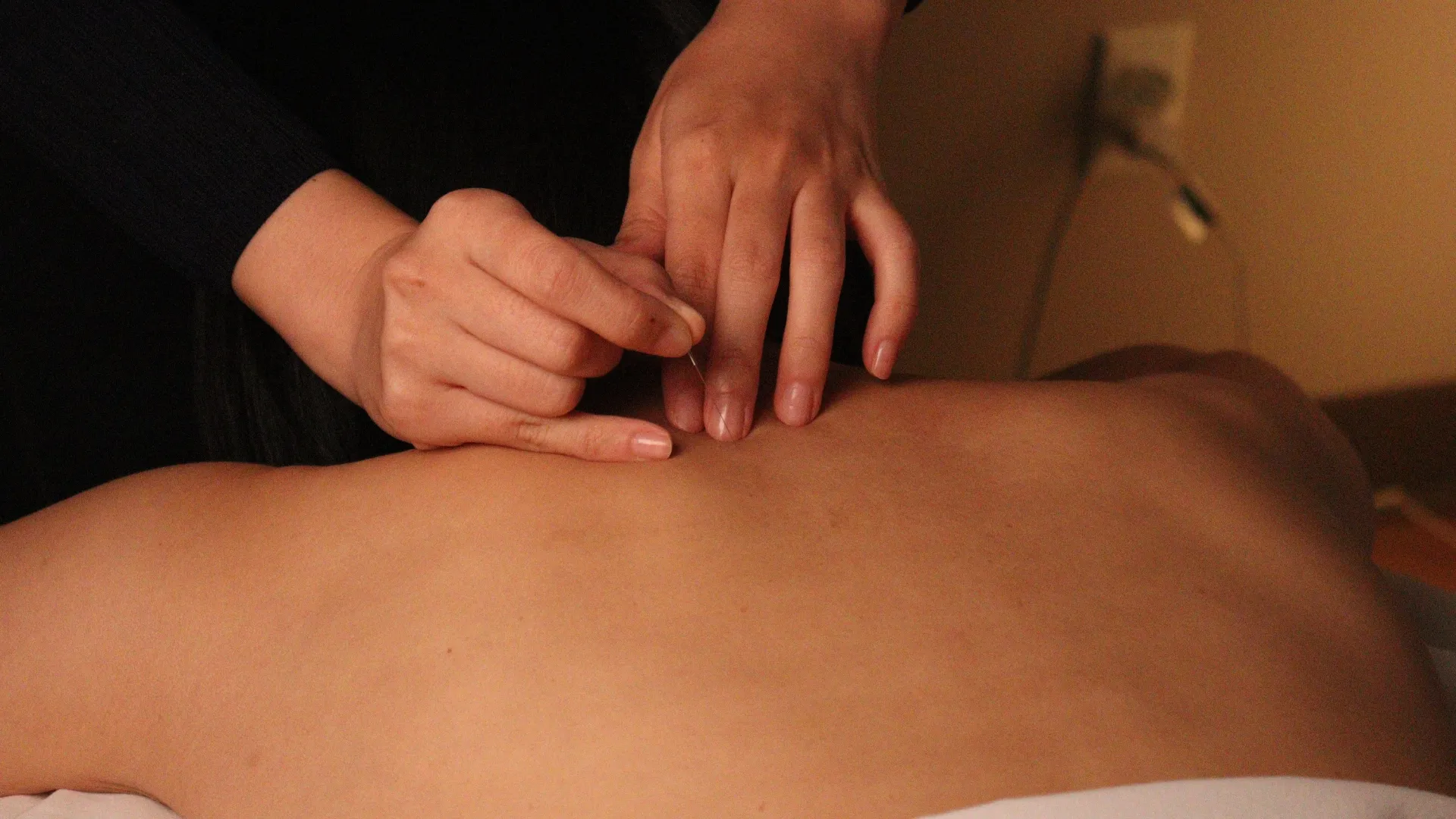
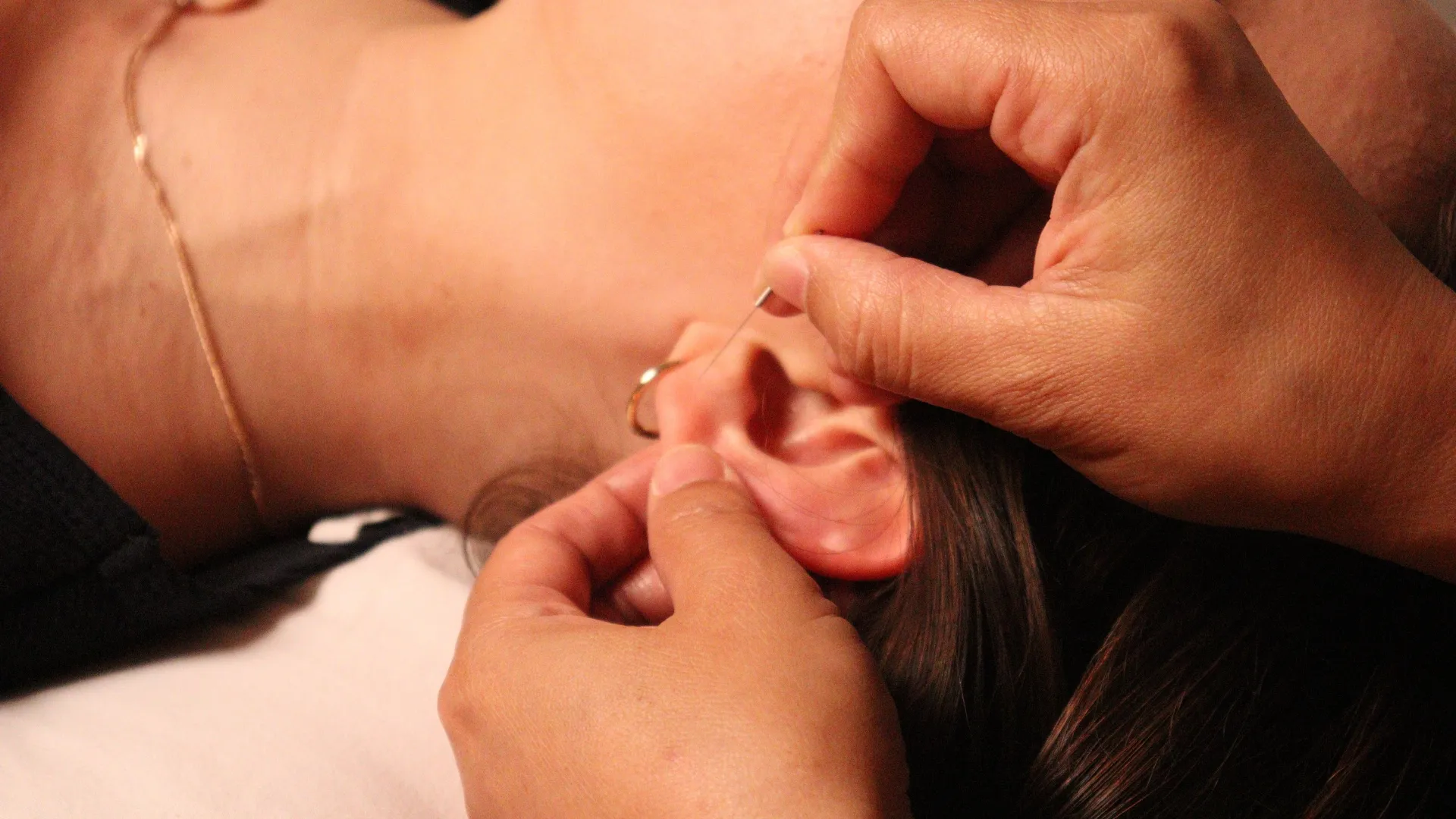
The question of dry needling vs acupuncture comes up often, and for good reason. Both use thin needles inserted into tissue, but they come from different traditions, require different training, and serve different goals.
At Zen Quest Wellness in downtown Vancouver, we practice acupuncture as a regulated, whole-person approach rooted in Traditional Chinese Medicine. Dry needling is a technique, typically used by physiotherapists, that targets muscular trigger points for localized pain relief.
If you've heard both terms and felt confused about which one you need, or wondered what is the difference between acupuncture and dry needling, this guide will help you choose.
What Acupuncture Is and How It Works
Acupuncture is a complete healthcare practice developed over centuries within Traditional Chinese Medicine. Practitioners assess your whole person, including physical symptoms, emotional patterns, sleep, digestion, stress, and energy levels, to identify underlying imbalances.
Needles are placed at specific points along pathways in the body to restore balance and support your body's ability to heal. The goal is to address root patterns, not just surface symptoms.
What an acupuncture session includes:
In-depth intake covering your full health history and current concerns
Pulse and tongue assessment to identify patterns
Needle placement based on whole-person diagnosis
A better understanding of your unique pattern and path forward.
Most extended health plans in BC cover acupuncture. At Zen Quest Wellness, we offer direct billing through Telus eClaim for most insurers.
What Dry Needling Is and How It Works
Dry needling is a technique used primarily by physiotherapists, chiropractors, and other manual therapists to release muscular trigger points. The needle is inserted directly into a tight band of muscle to cause a twitch response, which can reduce tension and improve local blood flow.
The term "dry" simply means no substance is injected. The focus is on the muscle itself, not on energy pathways or whole-person patterns. So is dry needling the same as acupuncture? No. While both use needles, the philosophy, training, and treatment goals are fundamentally different.
In BC, dry needling falls under the scope of practice for certain regulated health professionals, but it is not a standalone regulated practice like acupuncture. Training varies and is often completed through short certification courses rather than multi-year programs.
What a dry needling session typically includes:
Assessment of muscular pain or dysfunction
Identification of trigger points through palpation
Needle insertion to release tight muscle bands
Integration with other physiotherapy techniques like stretching or exercise
Dry needling is often part of a broader physiotherapy program focused on rehabilitation or injury recovery.
Key Differences Between Acupuncture and Dry Needling
Here's a side-by-side comparison to clarify how the 2 practices differ:
Origin: Acupuncture comes from Traditional Chinese Medicine; dry needling comes from Western medicine and trigger point therapy.
Training: Acupuncturists complete multi-year programs and are registered with the College of Complementary Health Professionals of BC; dry needling practitioners complete shorter certification courses within their existing scope of practice.
Goal: Acupuncture addresses whole-person patterns and root imbalances; dry needling targets isolated muscular trigger points.
Regulation: Acupuncture is a regulated profession in BC; dry needling is a technique used within other regulated professions.
What it feels like: Acupuncture needles are typically retained for 20 to 30 minutes with minimal sensation; dry needling often produces an immediate twitch response and may feel more intense.
How to Decide Which One Fits You
Start by asking yourself what you're looking for. If you need targeted relief from a specific muscular knot or tension that's limiting your movement, dry needling may be the right tool. If you're dealing with recurring symptoms, fatigue, stress, or patterns that haven't resolved with other approaches, acupuncture offers a whole-person lens that looks for the root cause.
Choose dry needling when your goal is fast, localized relief from a specific muscular knot or trigger point.
Consider acupuncture when your goal is whole-person care that looks for the pattern behind recurring symptoms.
Combine both when a physiotherapist and an acupuncturist are coordinating on the same issue.