You know the feeling. Wired at 11 p.m., exhausted at 7 a.m. Your mind races while your body begs for rest.
Here is a reframe worth sitting with: your cortisol stays high because your body has forgotten how to switch it off. The stress itself came and went. The response kept running.
People searching for acupuncture benefits often arrive at this exact question: does acupuncture lower cortisol? The honest answer starts with understanding what cortisol actually does.
Cortisol Has a Root Cause, and It Lives in Your Nervous System
Cortisol is a hormone your body releases under stress. In a healthy pattern, it rises when you need it and falls when the pressure passes.
Chronic stress changes that pattern. Your nervous system settles into fight-or-flight as its default state. The switch stays stuck in the "on" position.
This is commonly overlooked: the problem is structural, sitting in the body itself. Willpower alone rarely resets it. Telling yourself to relax harder tends to add one more task to an already overloaded system.
How Acupuncture Benefits a Stuck Stress Response
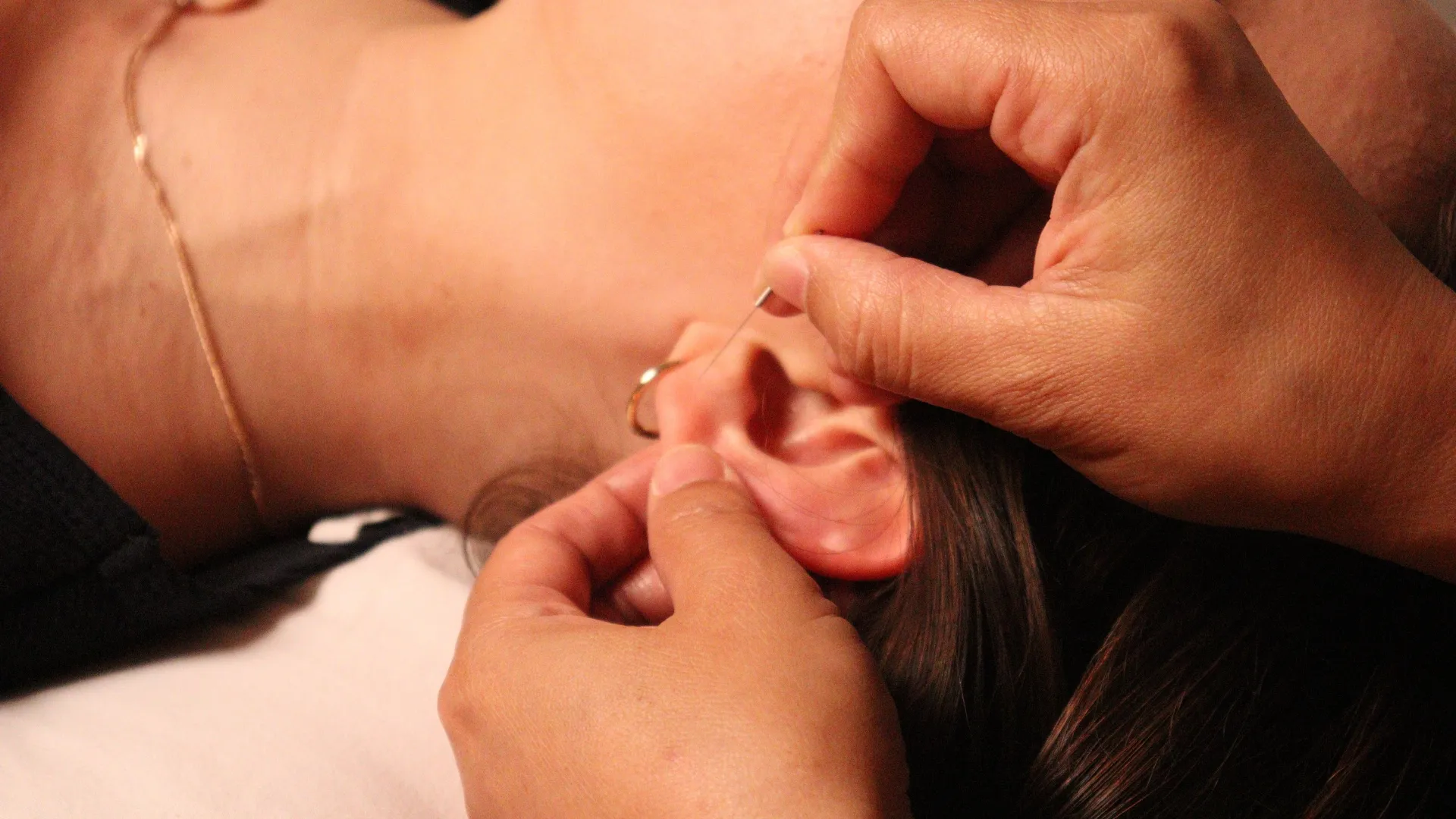
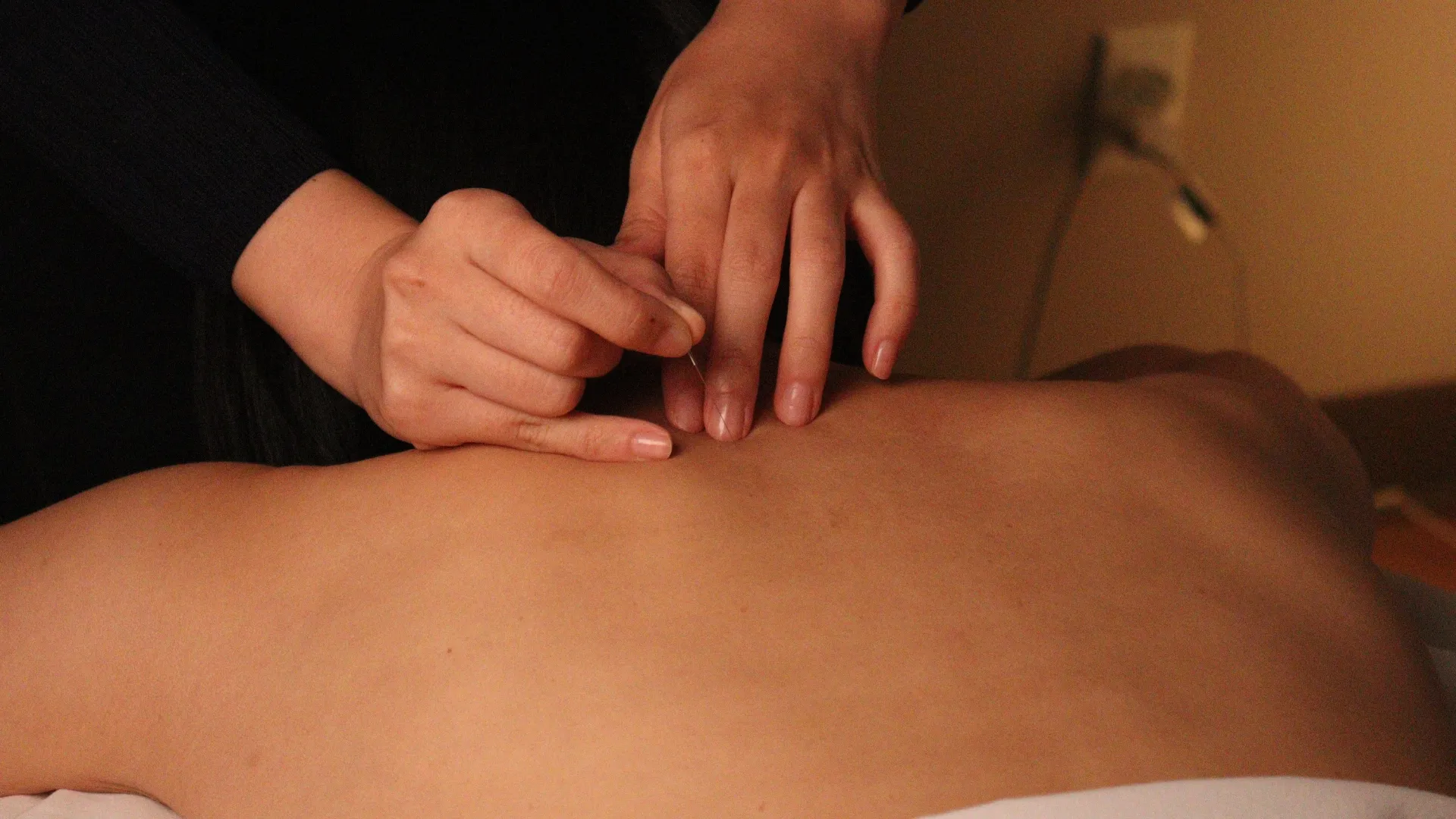
Acupuncture works on the system itself. Fine needles at specific points give your nervous system a clear signal to shift out of fight-or-flight and into rest-and-repair.
Researchers are still mapping how acupuncture therapy interacts with cortisol and the stress-response system. It's an emerging area, and early signals suggest acupuncture may support a calmer, more regulated stress response over time. To be clear, acupuncture supports your medical care, it doesn't replace it, so keep your doctor in the conversation.
This is also why many people who come to us for acupuncture for anxiety in Vancouver describe the effect as something their body learned, session by session, not something they forced.
Going Beyond the Symptoms
At Zen Quest Wellness, our twelve practitioners combine CCHPBC-regulated acupuncture with consciousness-based energy work. Three philosophies guide every session: consciousness-first healing, healing from within, and going beyond the symptoms.
In practice, that means your practitioner looks past "high cortisol" as a label. They look at the pattern underneath it. Sleep, digestion, breath, and mood all carry clues about where your system got stuck.
Each client gets a plan built around their own root cause.
What the First Shifts Feel Like
Most clients notice small shifts first:
An easier time winding down at night
A slower, deeper breath without trying
Less of that hum of low-grade alertness through the day
These are signs your nervous system is remembering how to switch off.