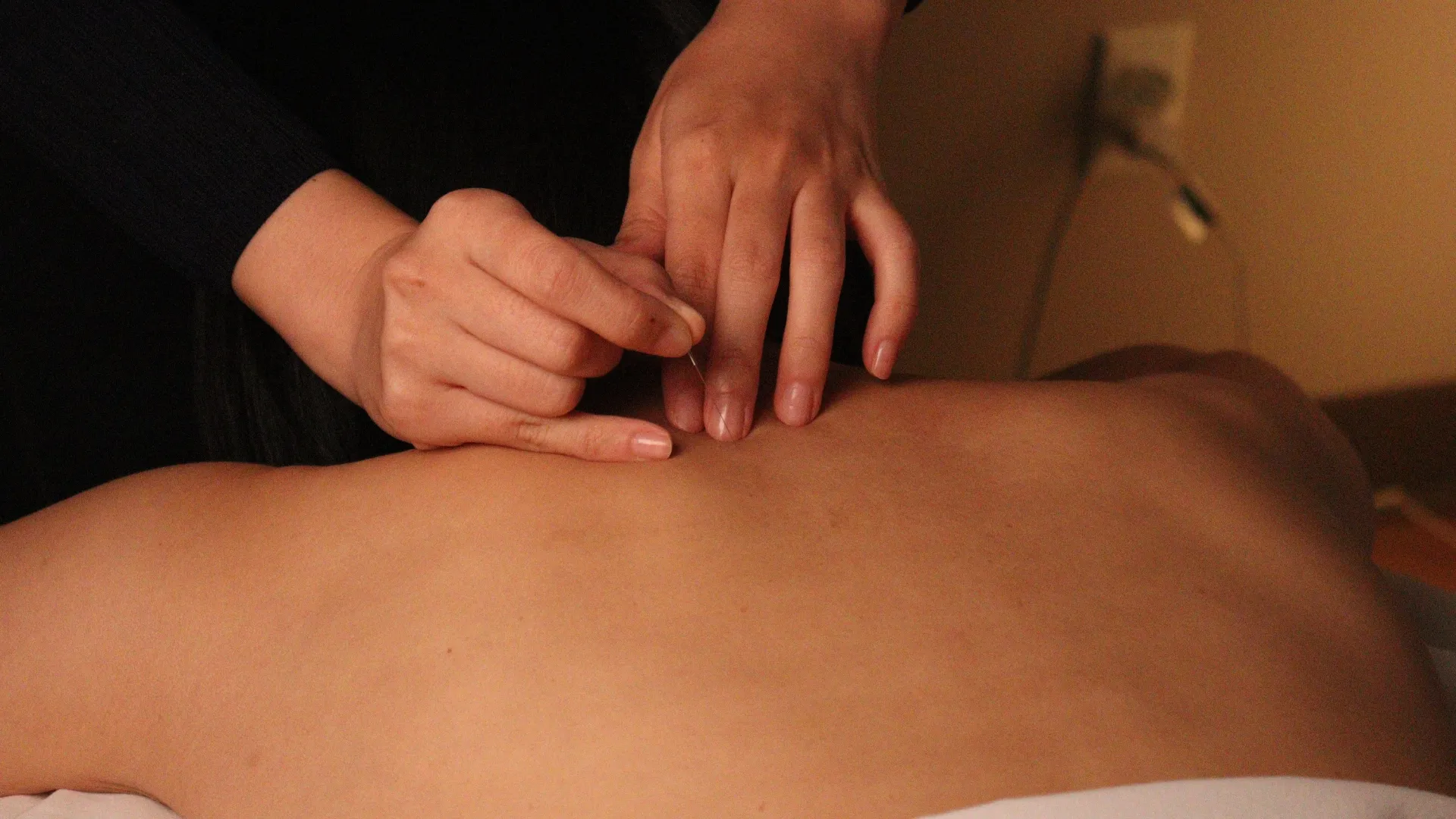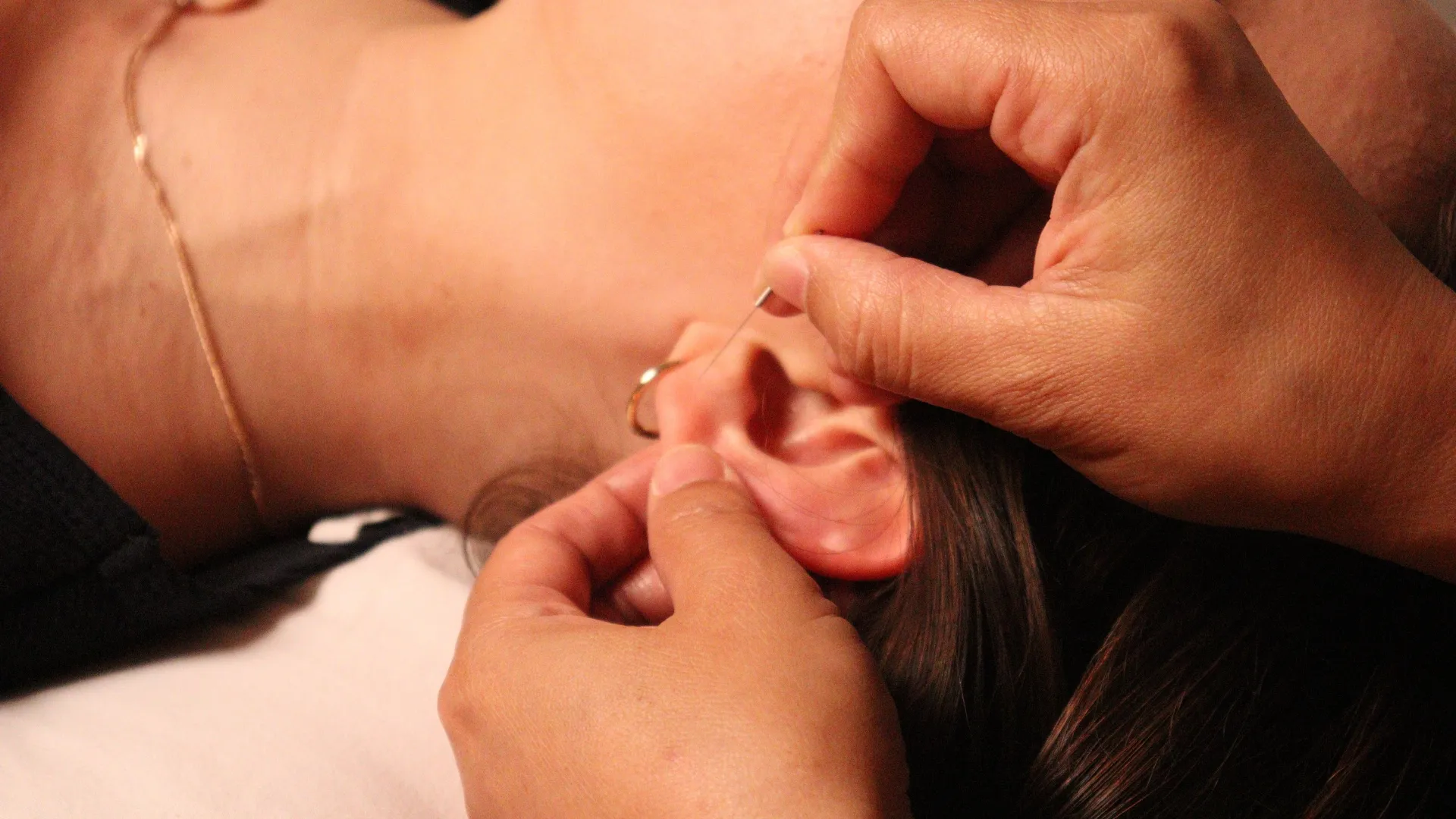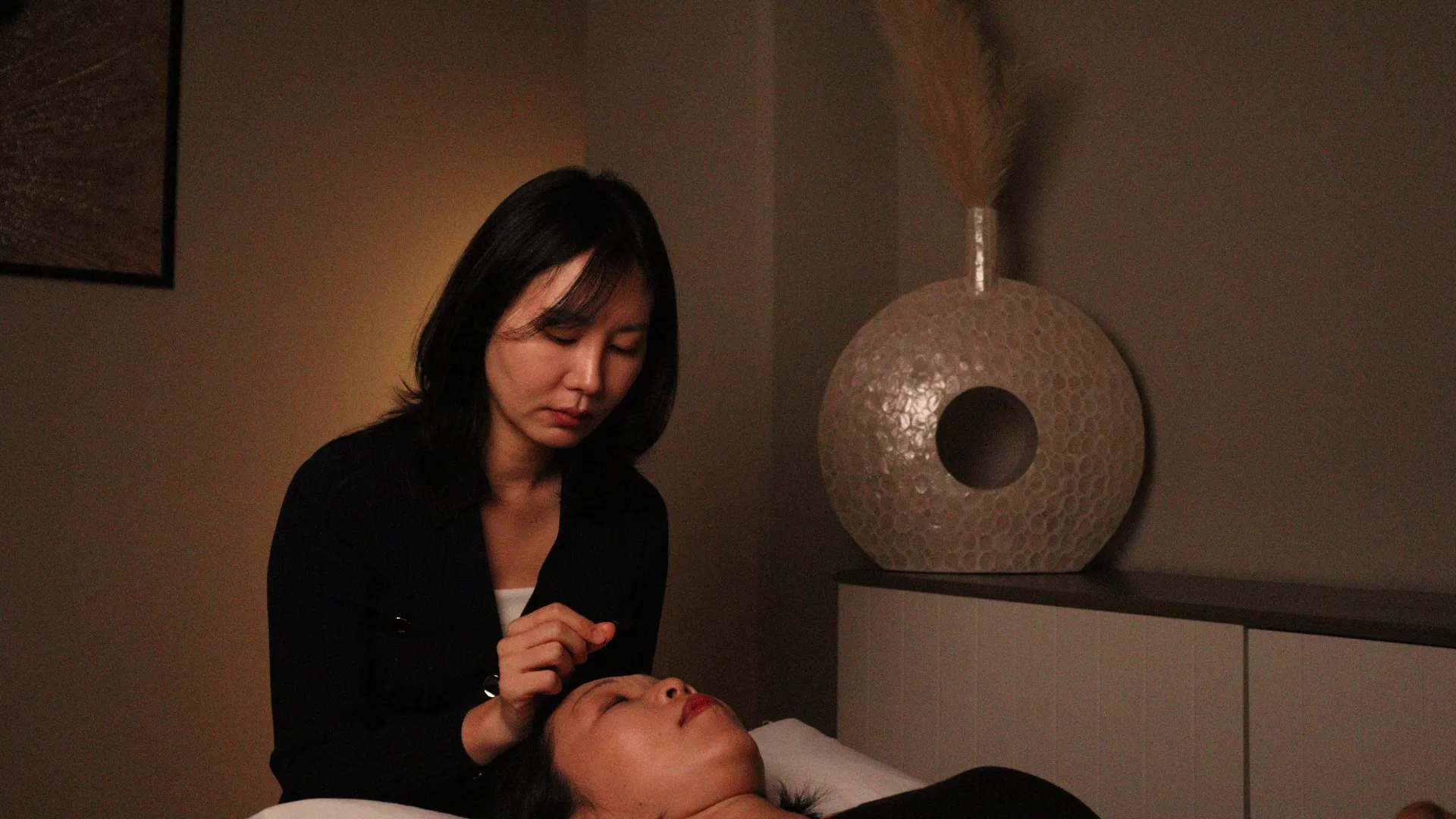
The short answer: acupuncture sits in complex middle ground. Some traditional explanations don't align with modern anatomy. Yes, some studies show mixed results.
But here's the thing. The research that holds up measures real effects on your nervous system. We see it at Zen Quest Wellness in downtown Vancouver every day.
You deserve an honest answer. The defensive "just trust ancient wisdom" response fails you. So does blanket dismissal that ignores measurable outcomes.
Let's look at what the evidence actually shows.
What Critics Get Right
The skeptics make valid points. Acknowledging them is a form of intellectual honesty.
The meridian map is not literal anatomy. You won't find qi channels under a microscope. The traditional Chinese medicine framework describes patterns, but it doesn't correspond to structures you can dissect.
Research quality varies widely. Some studies are small or poorly controlled. The placebo effect is real and powerful, especially for pain.
Critics point out that sham acupuncture sometimes produces similar results. That finding is legitimate.
Here's what honest critics identify:
Traditional theory doesn't match modern physiology. Meridians aren't nerves or blood vessels.
Placebo-controlled trials show mixed outcomes. Some conditions respond better than others.
Publication bias exists. Positive results get published more often.
Mechanism explanations remain incomplete. We know acupuncture affects the body. The full picture isn't settled.
These criticisms don't make acupuncture pseudoscience. They make it a practice where the why is still being mapped.
What Research Has Measured
When you look past the noise, certain findings appear consistently. Research has measured specific physiological changes during acupuncture sessions.
Your nervous system responds in measurable ways. Some studies using fMRI imaging suggest that needling at specific points is linked to changes in brain activity. Heart rate variability changes. Vagal tone shifts.
This is quantifiable data, gathered under controlled conditions.
Acupuncture can trigger endorphins, your body's own pain-relief chemicals. Some research also points to adenosine, a compound involved in local pain relief.
What Acupuncture Helps Most
The evidence is strongest for certain conditions. Chronic pain, including lower back pain, neck pain, and osteoarthritis, shows consistent improvement. The effect size is modest but real.
Nausea and vomiting respond well to acupuncture, especially after chemotherapy and surgery. The research here is robust. Some hospitals now integrate acupuncture into standard care.
Acupuncture for Stress Relief
Does acupuncture have scientific evidence? Yes, for specific applications. Acupuncture for stress relief is gaining research support. Some studies suggest it affects cortisol levels and helps activate the parasympathetic nervous system.
Many people use acupuncture for burnout. They report feeling calmer after sessions. While more research is needed, early findings suggest stress relief acupuncture may help regulate your body's stress response.
At Zen Quest Wellness, we see acupuncture for stress as one of the most common reasons people book. They come in wound tight. They leave breathing easier.
The Regulation Question
Pseudoscience typically operates without oversight. Acupuncture in British Columbia doesn't.
Acupuncturists here are regulated by the College of Complementary Health Professionals of BC. You need specific education and must pass competency exams. At Zen Quest Wellness, our practitioners meet these requirements.
Regulation does not prove that acupuncture works, though it does set a clear standard for safety and ethical practice.
Professional standards also mean acupuncturists can't make unfounded claims. The system has checks, even if it's not as rigorous as conventional medical licensing.
Where Traditional and Modern Explanations Meet
Here's where things get interesting. The traditional meridian framework and modern nervous system explanations may describe the same experience from different angles.
Acupuncture points often sit near nerve clusters and connective tissue planes. The correlation isn't perfect, but it's there. Traditional practitioners identified these spots through observation over centuries.
The language differs. The underlying pattern overlaps.
You don't need to accept qi as literal to recognize that your body responds to needle stimulation in repeatable ways. The meridian map may work as a clinical tool even if its theory doesn't align with Western anatomy.
Different systems can describe the same real phenomenon in their own language. The question becomes: does it produce beneficial outcomes? For certain conditions, yes.
The Honest Verdict
Is acupuncture pseudoscience? No. Pseudoscience rejects testing. Acupuncture research is ongoing and sometimes contradictory, but it exists.
The traditional explanations don't hold up as literal anatomy. The research shows real effects on your nervous system for specific conditions. Evidence is strongest for chronic pain and nausea.
You're allowed to weigh the evidence yourself. Intellectual honesty means acknowledging both what's settled and what remains open.
If you're curious about acupuncture for stress relief in Vancouver, come see us. We'll be honest about what it can and can't do.