Traditional Chinese Medicine describes Qi as the energy that keeps your blood circulating, your nerves firing, and your cells communicating. At Zen Quest Wellness in downtown Vancouver, we explain it as the pattern of flow and information that makes you feel alive, balanced, and whole.
You can't see Qi under a microscope. You can feel it when your body hums with vitality or when something feels stuck, drained, or off.
What Is Qi in Acupuncture and Traditional Chinese Medicine?
Qi (pronounced "chee") is the animating force that Traditional Chinese Medicine practitioners describe as flowing through pathways called meridians. Sometimes called chi energy, these meridians connect your organs, tissues, and systems into one integrated network. When Qi flows freely, you feel energized, balanced, and resilient. When it stagnates or becomes depleted, symptoms appear.
The body holds intelligence. Qi is the language it speaks.
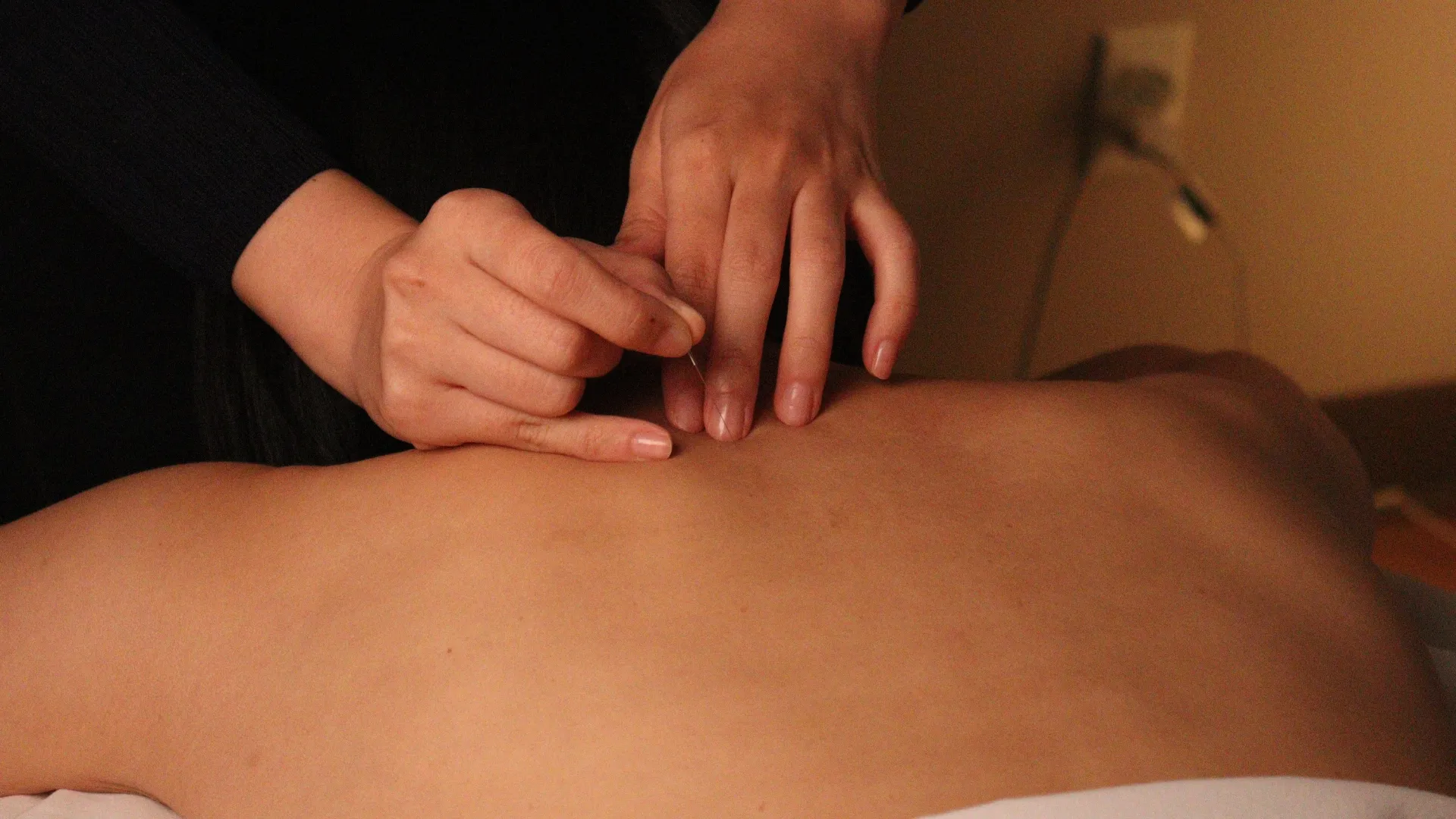
In Traditional Chinese Medicine, your body is viewed as a small universe. Qi circulates in patterns that reflect your overall state. Acupuncture works by stimulating specific points along meridians to restore flow, balance the pattern, and support your body's ability to heal.
How Qi Energy Connects to What You Can Feel
You already know what disrupted energy feels like. You wake up exhausted even after 8 hours of sleep.
When practitioners talk about blocked Qi, they're describing what happens when that flow becomes restricted.
Here's what people commonly describe when Qi feels stuck or depleted:
Fatigue that rest doesn't fix
Tension that settles in your shoulders, jaw, or chest
Digestive sluggishness or irregular appetite
Brain fog or difficulty concentrating
Emotional flatness or irritability without a clear cause
These aren't separate problems. They're signals from underlying disharmony in your body's Qi.
What Is a Meridian and How Does It Relate to Qi?
A meridian is a channel through which Qi flows. Traditional Chinese Medicine identifies 12 primary meridians, each associated with an organ system like the lungs, liver, or stomach. These pathways don't match Western anatomy exactly, but they correspond to functional relationships your body maintains.
Think of meridians as the roads Qi travels. When traffic flows smoothly, everything works. When a road gets blocked, the whole system backs up.
Acupuncture points sit along these meridians. Stimulating them influences the flow of Qi, much like adjusting a valve changes water pressure in a pipe. The goal is to restore balance, not force a result.
The Modern View: What Is Qi in Physiological Terms?
You don't have to accept the Traditional Chinese Medicine framework to understand the qi. Modern physiology describes the same phenomena using different language.
What is qi from a scientific perspective?
It corresponds to your nervous system's regulation, the circulation of blood and lymph, and the bioelectrical signals that coordinate every function in your body. When your parasympathetic nervous system activates, you feel calm and restored. When your sympathetic system stays locked in overdrive, you feel wired, tense, and depleted.
Studies on acupuncture have observed effects on the autonomic nervous system, inflammation, and pain signals. These effects align with what Traditional Chinese Medicine describes as restoring the flow of Qi.
The 2 views may be describing overlapping aspects of the same underlying biology. One uses the language of energy and pattern. The other uses the language of nerves and biochemistry. Both recognize that your body is a whole system, and symptoms arise when flow becomes disrupted.
Why Understanding Qi Matters for Your Wellbeing
When you understand Qi, you start to notice the signals your body sends before they become louder. You recognize that feeling "off" isn't vague or imaginary. It's real information about a pattern that needs attention.
Acupuncture and other Traditional Chinese Medicine practices work with Qi to restore balance at the root level, not just mask symptoms.
You don't need to believe in energy to benefit from practices that restore it. You just need to pay attention to what your body is telling you.
Key Takeaways
Qi is the life force that flows through your body, animating every system and function.
Traditional Chinese Medicine views Qi as energy moving through meridians, while some researchers see promising overlap with the nervous system regulation, circulation, and cellular communication.
Blocked or depleted Qi shows up as fatigue, tension, digestive issues, brain fog, and emotional flatness.
Acupuncture restores flow by stimulating points along meridians, supporting your body's innate ability to balance and heal.
Understanding Qi helps you recognize the signals your body sends before symptoms become louder.