

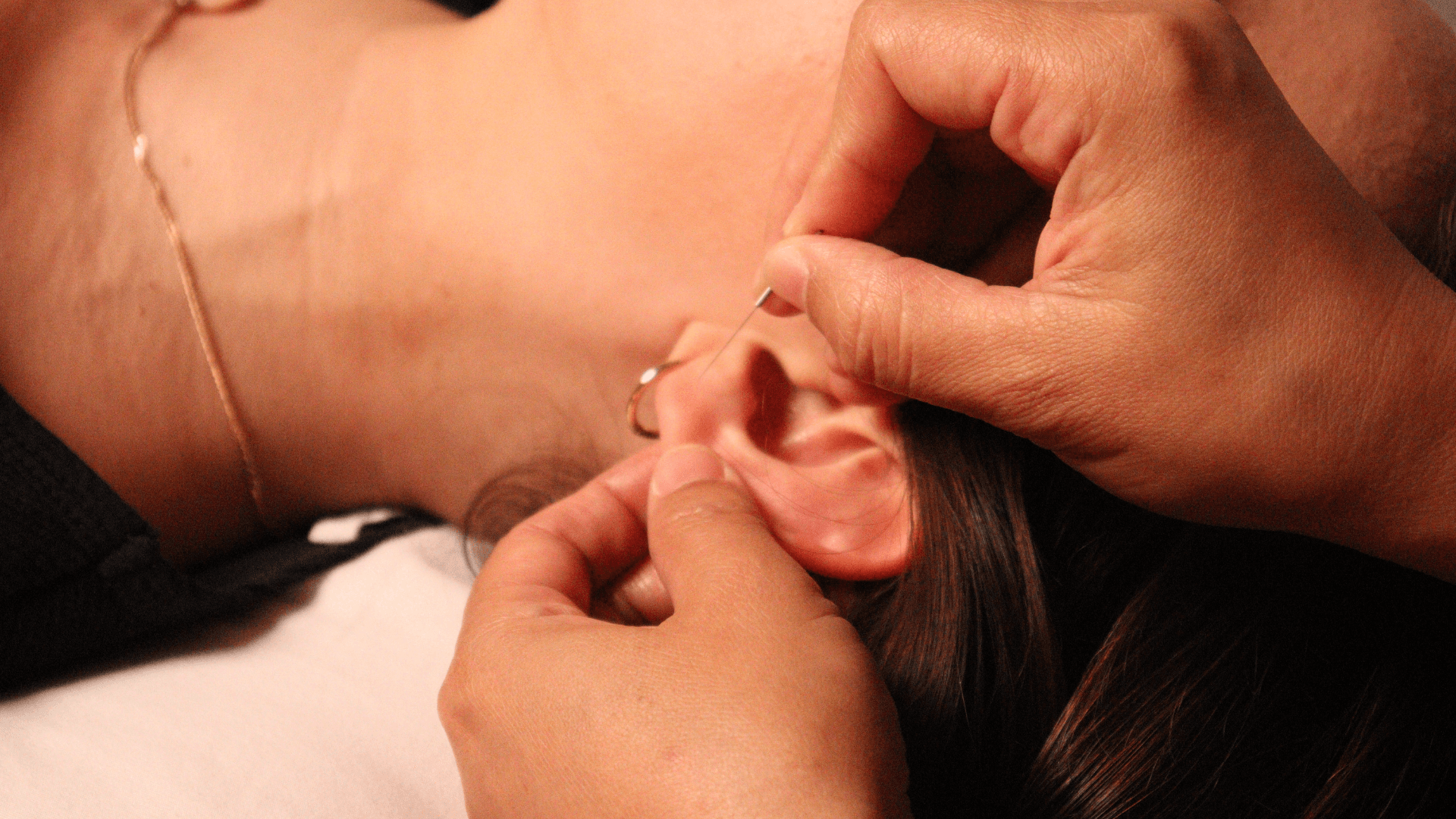
Traditional Chinese Medicine is a complete medical system with a documented history of more than two thousand years. Acupuncture is one part of it.
Here is what the whole system refers to, and how it is held accountable where you live.
What Traditional Chinese Medicine actually is
Traditional Chinese Medicine has its own logic, its own methods, and its own long record of practice. Acupuncture sits inside it as one modality among several.
At the centre is a way of describing balance called yin and yang. Yin and yang name opposing and complementary functions in the body: rest and activity, cooling and warming.
The modalities within it
Acupuncture. Fine needles placed at specific points along the channels.
Cupping. Suction cups applied to the skin to draw circulation into an area and release held tension.
Moxibustion. Mugwort burned near or on a point to warm it, used where a pattern calls for heat.
Tuina. Chinese therapeutic massage, working along the same channels acupuncture uses.
Chinese herbal medicine. Formulas built and adjusted for the individual pattern rather than the named condition.
Dietary therapy. Food chosen for what it does in the body, its warming, cooling or drying effect, alongside its nutrition.
How Traditional Chinese Medicine is regulated in British Columbia
The regulator is the College of Complementary Health Professionals of BC (CCHPBC). Within the TCM stream there are four registration categories, and the differences are meaningful.
Registered Acupuncturist, R.Ac. Authorized for acupuncture only.
Registered Traditional Chinese Medicine Herbalist, R.TCM.H. Authorized for Chinese herbal medicine only.
Registered Traditional Chinese Medicine Practitioner, R.TCM.P. Authorized for both acupuncture and Chinese herbal medicine.
Doctor of Traditional Chinese Medicine, Dr.TCM. Authorized for both, with higher requirements.
The letters after a practitioner's name state what that person is authorized to do. You can verify any registration on the College's public register.
How it sits alongside conventional care
Traditional Chinese Medicine works alongside conventional medicine rather than in place of it. Many people keep both in their lives, and the two support different needs.
If you want to see how this looks in practice, the practitioners at Zen Quest hold different registrations within that system. Each set of letters tells you plainly what they are able to offer.