

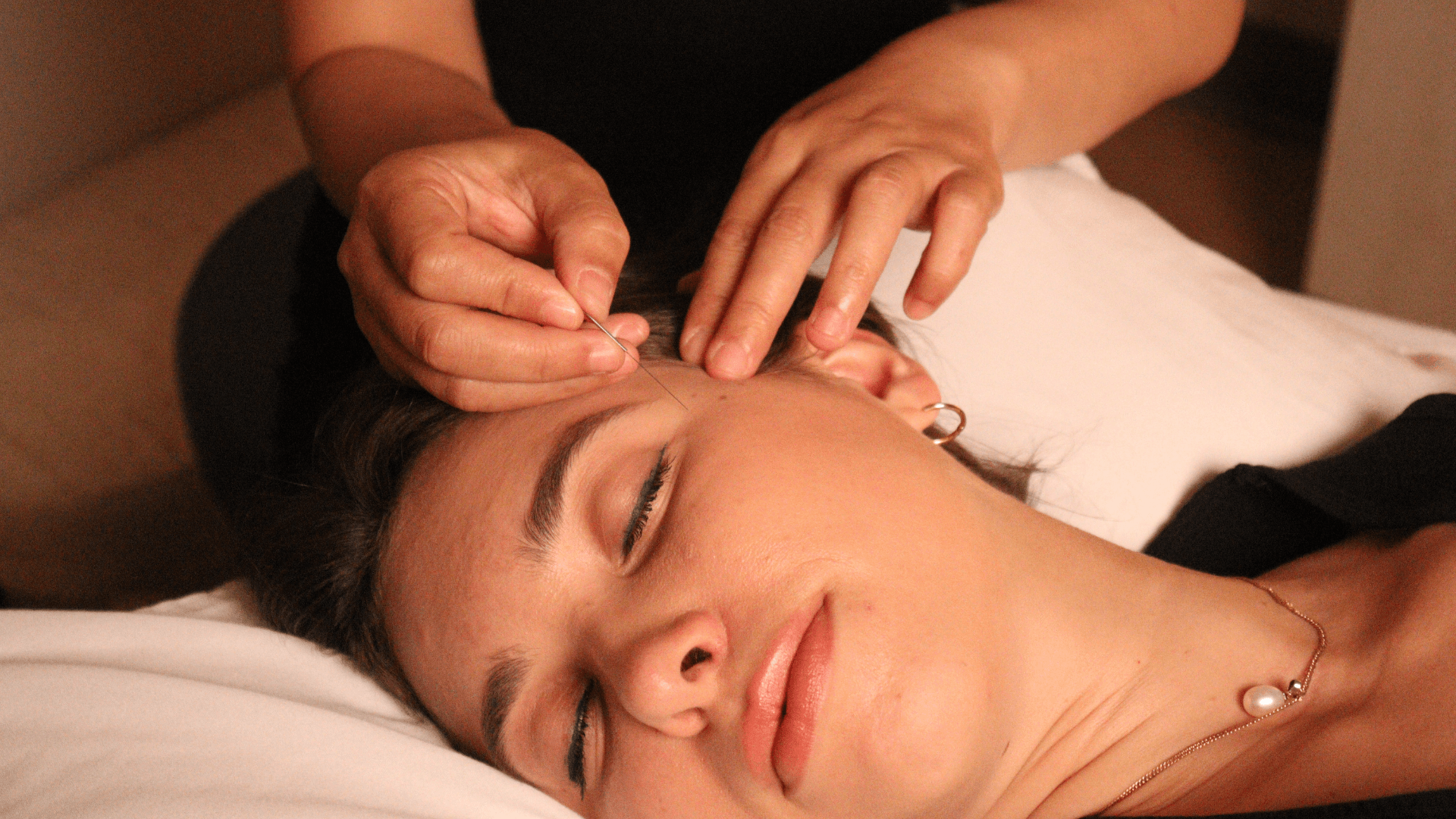
You tried acupuncture once or twice, felt little, and quietly filed it under things that do not work for you. That conclusion made sense based on what you experienced.
What Changes the Outcome
Several variables change what a course of care produces. Each one shifts the picture.
Number of sessions. A short course and a full course produce different pictures.
Spacing between them. Weekly early on works differently from monthly.
What was assessed. A presenting complaint and a whole presentation lead to different point selections.
How long the pattern had been building. Recent and long-standing situations move at different speeds.
Whether the situation suited acupuncture at all. Some do, some do not.
Number of Sessions and Spacing
Frequency matters as much as the total. The body learns a new setting through repetition. Sessions placed close together early in a course give the system a chance to stabilize before the effect fades. Sessions spaced far apart from the start may not build enough momentum to produce a noticeable shift.
What Was Assessed
The assessment looks at sleep, digestion, energy through the day, stress load, and what was happening in the client's life when the symptoms began. The full picture reveals what a TCM assessment finds that a symptom list misses, and that information changes which points get chosen.
How Long It Had Been Building
Time is the variable people most often underestimate. Someone who has carried a pattern for a decade may see no change from a few sessions. Or they may notice a shift too subtle to count.
The full arc takes longer than most people expect, and stopping early can mean stopping before the turn.
What a Different Attempt Would Involve
A realistic early phase includes more than one or two sessions. It includes an assessment that goes beyond the symptom. It also includes a plan that accounts for how long the pattern has been present, and spacing that supports the body's response. Before booking, ask what the first session will cover and what a typical course looks like for the situation you are bringing in.
The Question Worth Asking
You are allowed to decide acupuncture is not for you. The useful question is whether the pattern was ever fully assessed. The second is whether it was given enough time and the right structure.
If the answer to either is no, then what happened before may not reflect what could happen now.More about the practice is available at Zen Quest Wellness in downtown Vancouver.