You lie awake at 3 a.m., jaw clenched, mind racing. You have tried supplements, sleep hygiene, and bedtime rituals, and still your body will not power down. Sleep this broken often rooted in a dysregulated nervous system, and acupuncture works by helping it downshift.
Acupuncture for sleep works by helping your nervous system downshift. At Zen Quest Wellness in downtown Vancouver, we identify the patterns your body built over years of stress. We help release the tension they've created.
Why your nervous system won't let you sleep
Your nervous system keeps you awake because it has been on high alert for too long. After years of pressure, the sympathetic branch, the one behind fight-or-flight, becomes your default setting. Your body learned this to keep you going. Now it runs on autopilot.
So you carry tension in your jaw, shoulders, and chest. You wake at 3 a.m. with your mind already spinning. This is a pattern your body built to cope, and it can be unlearned.
How acupuncture helps you sleep
Acupuncture helps you sleep by signaling your nervous system that it is safe to rest. Specific points can help activate the parasympathetic nervous system, the branch responsible for rest and repair. As that branch engages, your heart rate slows and your body softens.
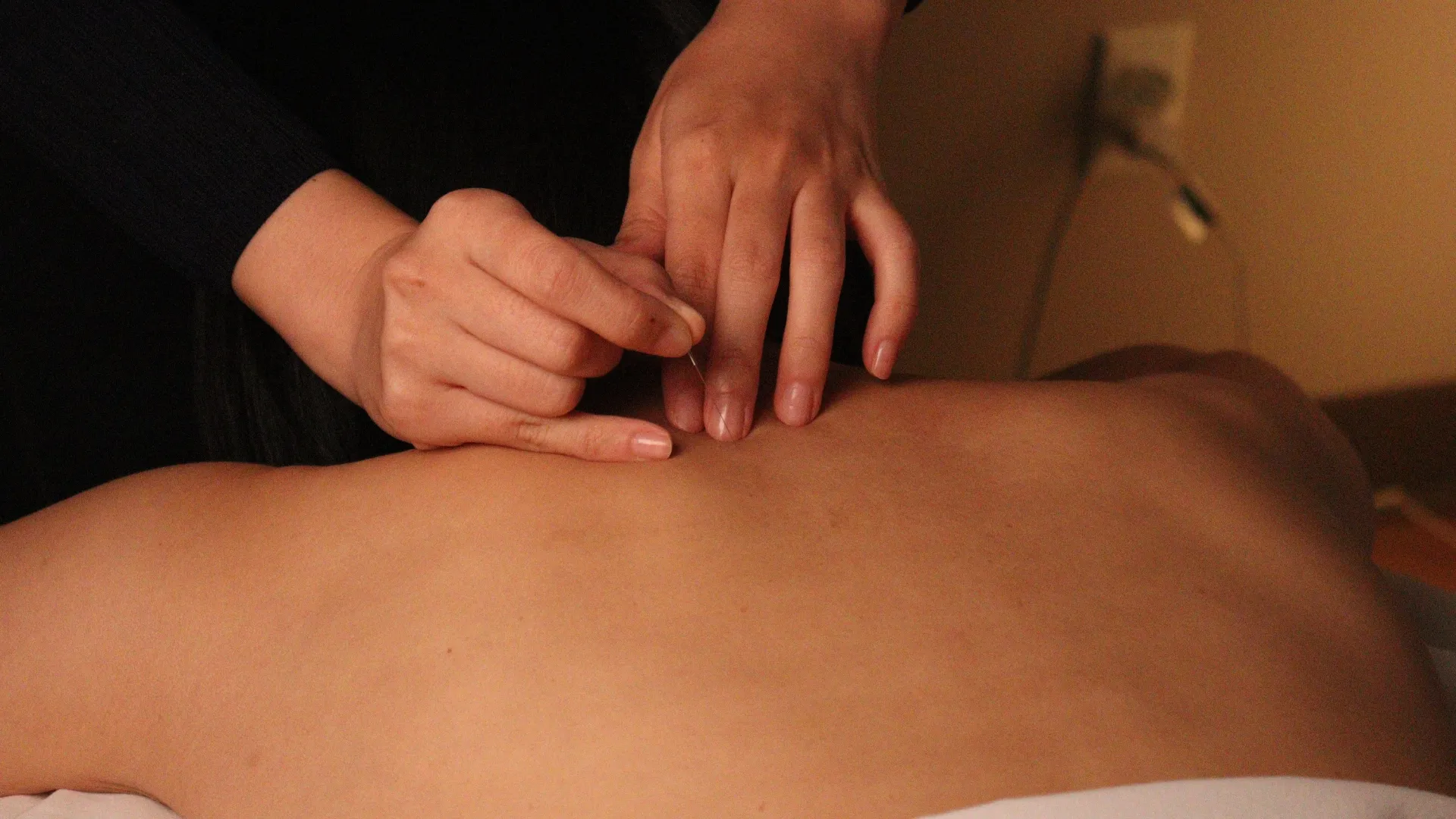
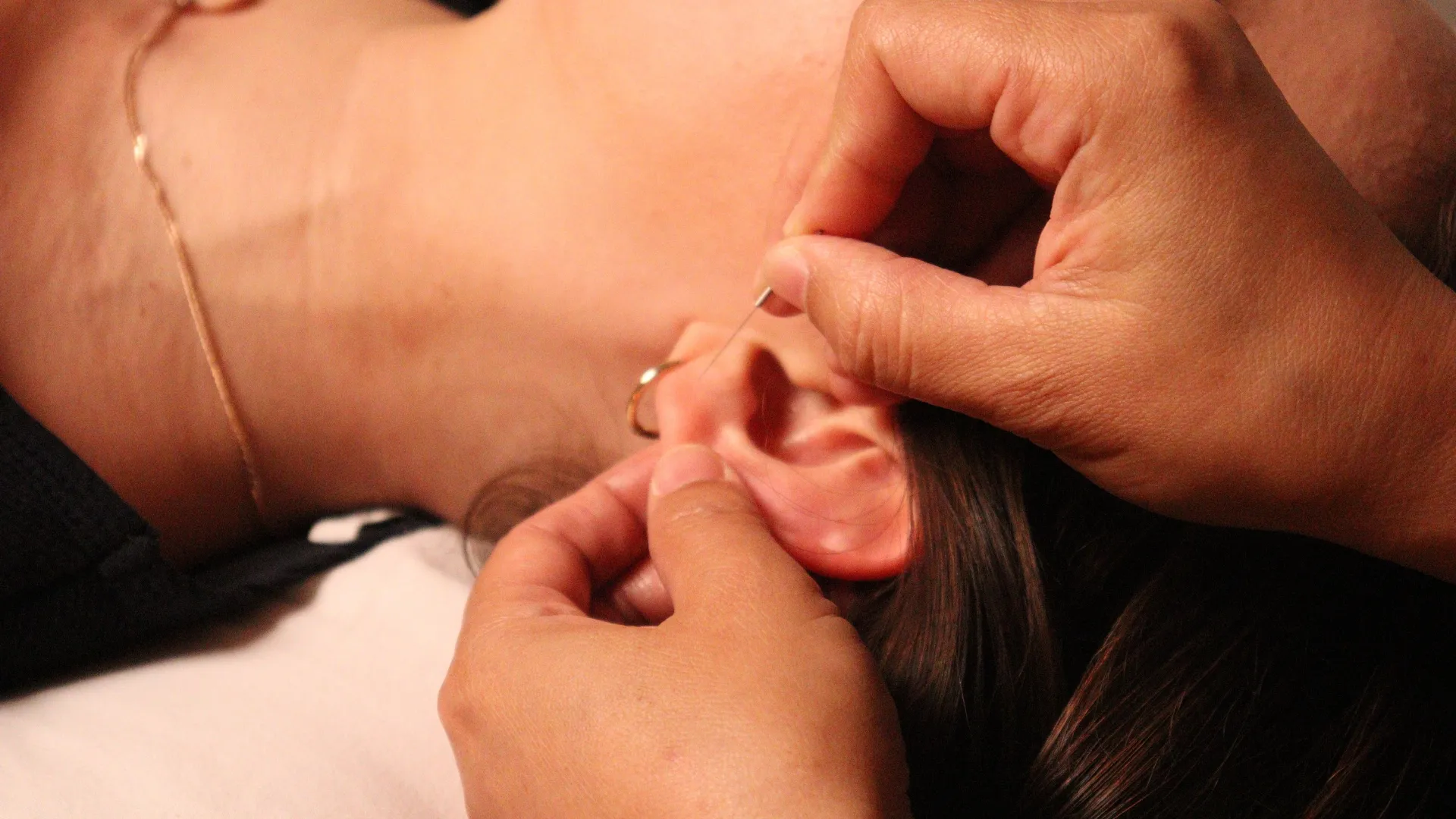
Fine needles at points of tension interrupt the cycle of chronic activation. Many clients start noticing deeper sleep within the first few sessions. Over time, the 3 a.m. wake-ups become less frequent, and the body remembers how to rest.
What happens in a session
Your first session starts with an in-depth intake, because the pattern matters more than the symptom. Your practitioner looks at:
When the sleep trouble began
What else was happening in your life at the time
Where you hold tension in your body
Your - a read on how your Qi is moving
Your tongue - a marker of your internal pattern
After the intake, your practitioner places fine needles at specific points. You rest for 20 to 30 minutes in deep calm. Then you leave with a written Healing Map that outlines your pattern and your path forward.
What long-term results look like
Acupuncture addresses the root pattern that produces the symptom. The aim is to help your nervous system to downshift on its own, so rest comes more easily.
Most clients start with weekly sessions for 4 to 6 weeks. As sleep improves, we move to biweekly, then monthly maintenance. Step by step, your body learns a new baseline.
When acupuncture for sleep helps most
Acupuncture for sleep is often a good fit when insomnia stems from stress, burnout, or a nervous system that will not power down. Maybe you have held everything together for years, managing a career, a family, and the invisible mental load. Your bloodwork may say you are fine, yet your body tells a different story. Acupuncture listens to that story.
Is acupuncture covered by insurance in BC?
Most extended health plans in British Columbia cover acupuncture from a registered acupuncturist. Zen Quest Wellness offers direct billing through Telus eClaim for most insurers. Our practitioners are registered with the College of Complementary Health Professionals of BC. Coverage amounts vary by plan, so confirm your specifics with your insurer.