Your neurologist sees a misfiring brain. A practitioner of Traditional Chinese Medicine sees a body out of balance. Both can be right, because they are looking at different things.
This matters if you live with migraines and medication alone has left gaps. Acupuncture therapy works from a different map of the body, and that different map is exactly why it may help some people where a single approach falls short. It works alongside your medical care, never instead of it.
What Your Neurologist Sees
Neurology treats a migraine as a neurological event. Nerve pathways become overexcited, blood vessels respond, and inflammation follows. Medication targets that cascade directly, and for many people it does real work.
This lens is precise. It also focuses on the event itself, the hours or days when the migraine fires.
Acupuncture for Headaches/Migraines
Traditional Chinese Medicine reads a migraine or a recurrent headache as a pattern, a recurring imbalance of excess or deficiency moving through specific channels in the body.
The language sounds unfamiliar at first. Here is the translation:
Liver yang rising means too much upward energy. In plain terms: heat, pressure, and tension climbing into the head, often tied to stress.
Blood deficiency patterns mean the body lacks nourishment where it needs it. In plain terms: depletion, fatigue, and pain that shows up when your reserves run low.
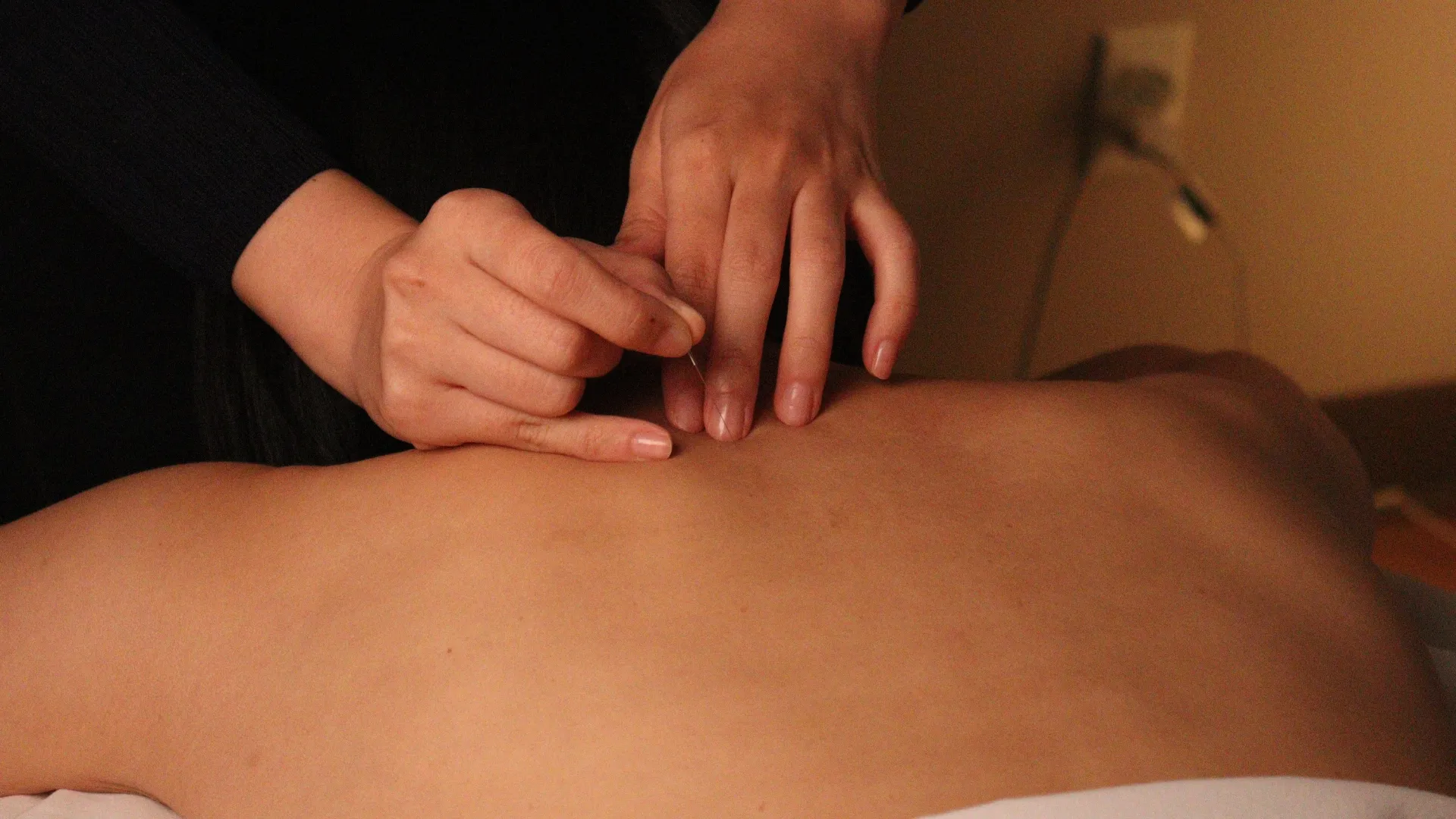
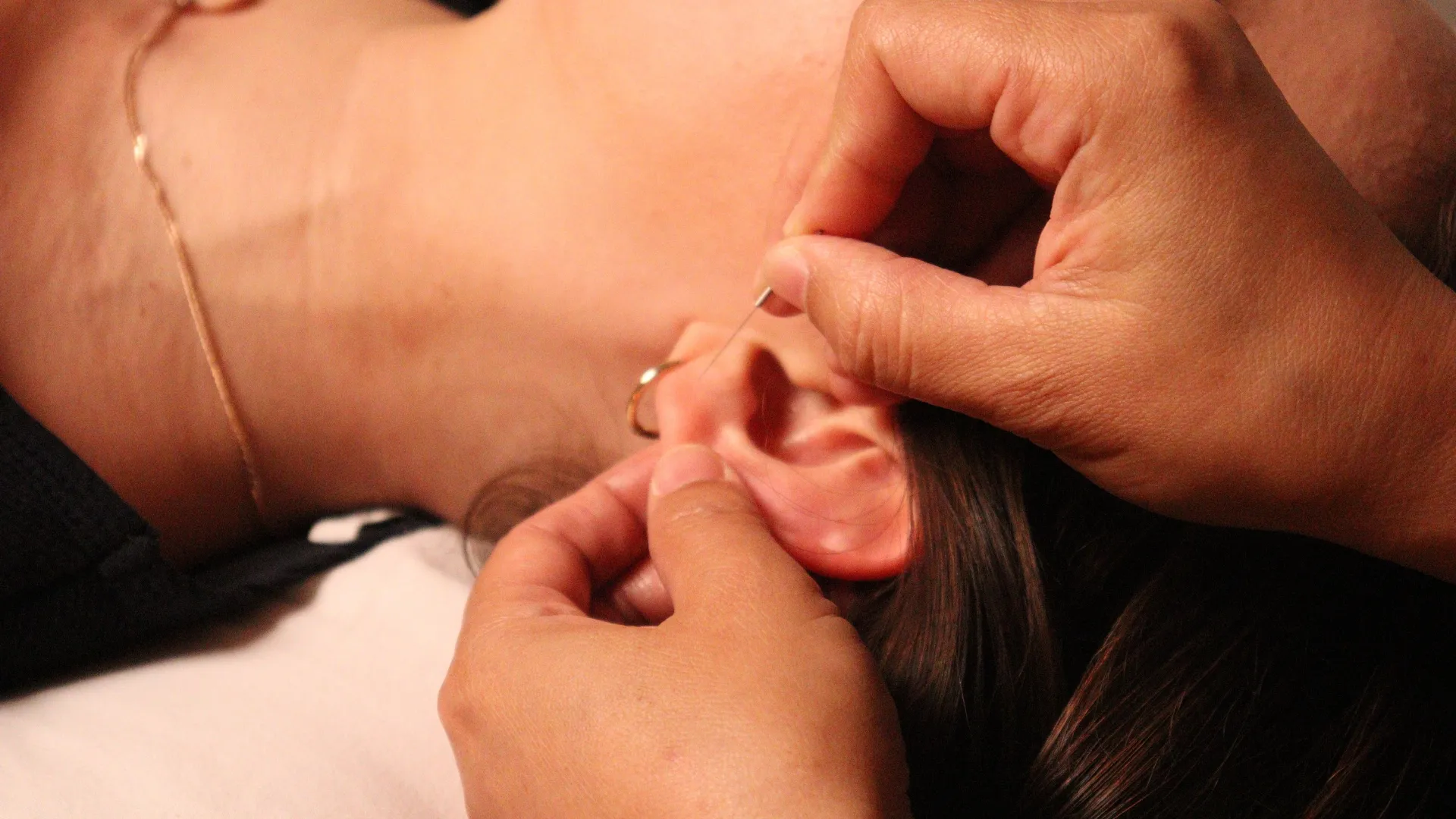
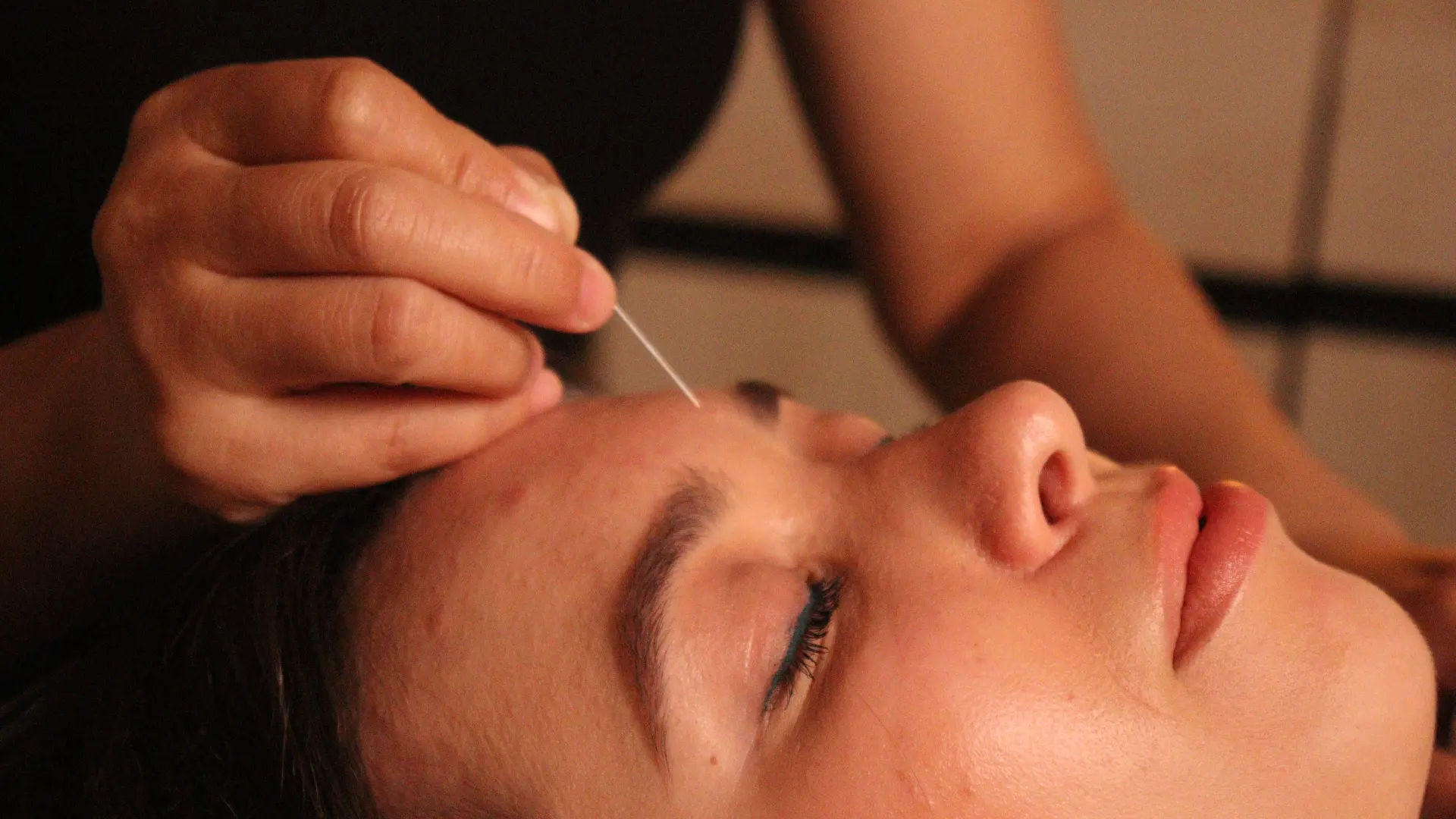
A practitioner maps your symptoms, sleep, digestion, and stress onto these patterns. The needles then work to restore balance, addressing what TCM considers the root cause behind the recurring pain rather than the single episode in front of you.
Why Two Lenses Beat One
The frameworks measure different things. Neurology asks what happens in your brain during an attack. TCM asks what conditions in your whole body keep inviting the attacks back.
Among the acupuncture benefits clients ask about most, this is the honest answer: acupuncture therapy may help reduce the frequency or intensity of migraines for some people. It is a complement to your neurologist's plan, and your practitioner will tell you the same thing.
Keep taking your prescribed medication and keep your neurologist informed. Integrative care means your neurologist and your acupuncture practitioner both see the full picture.
What a First Session Looks Like
Your first session at Zen Quest Wellness starts with a long conversation. Your practitioner asks about your migraine history, triggers, sleep, and stress, then identifies the pattern behind your symptoms.
Treatment follows, with fine needles placed at points along the relevant channels. Most clients describe the experience as calm, even restful.
For anyone searching for acupuncture vancouver bc, our clinic sits in downtown Vancouver, and our practitioners work with your existing care rather than around it.