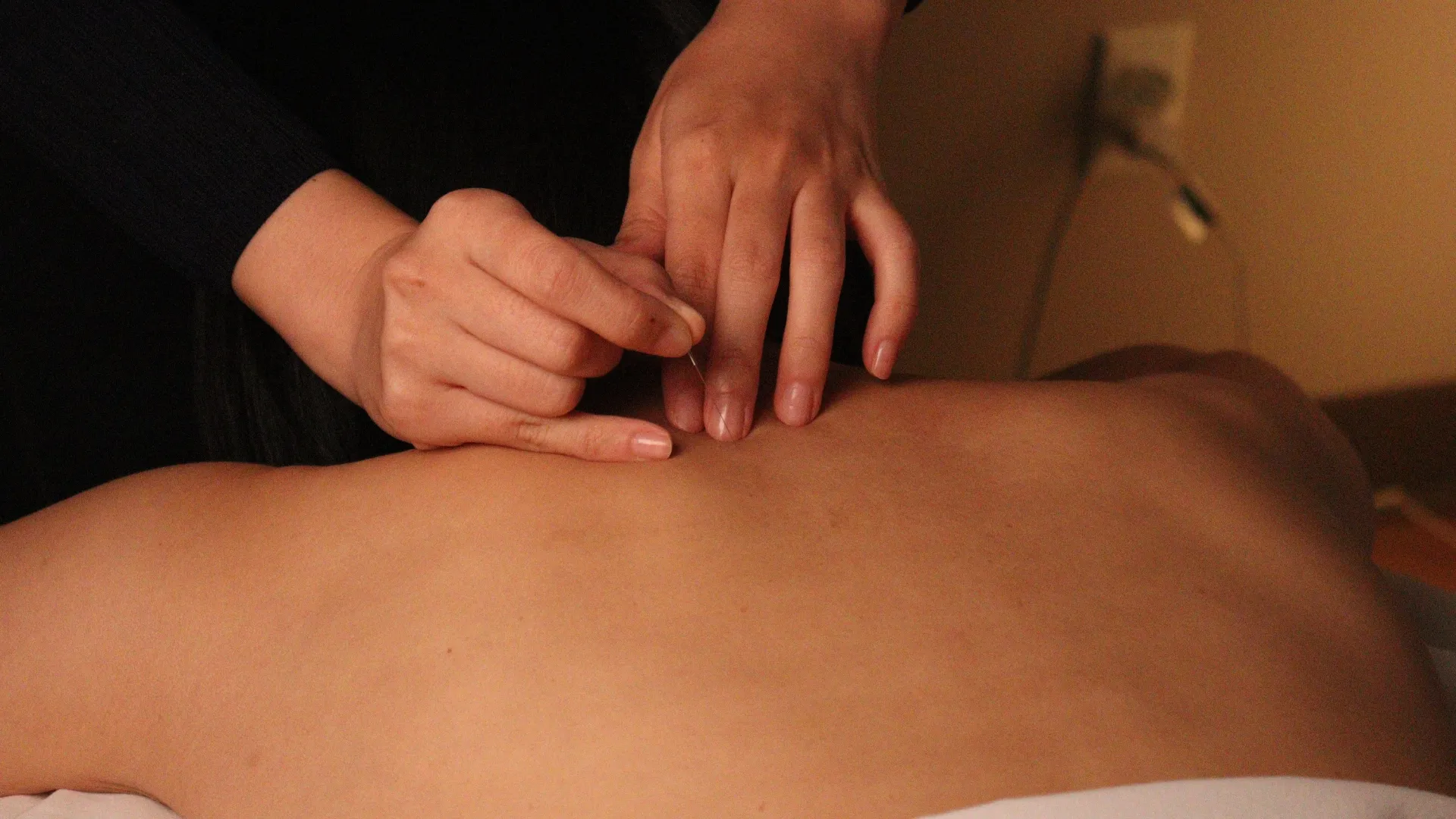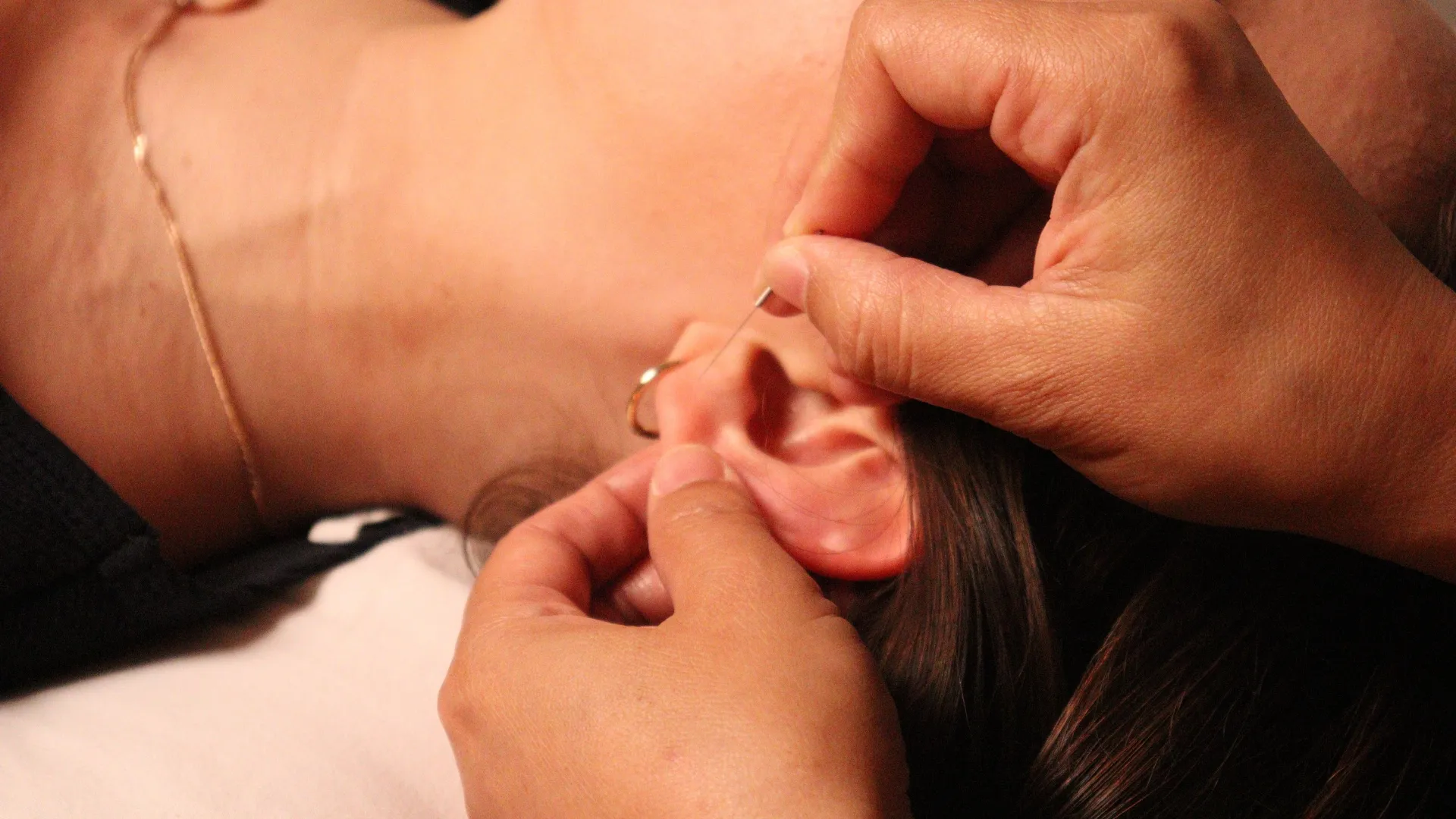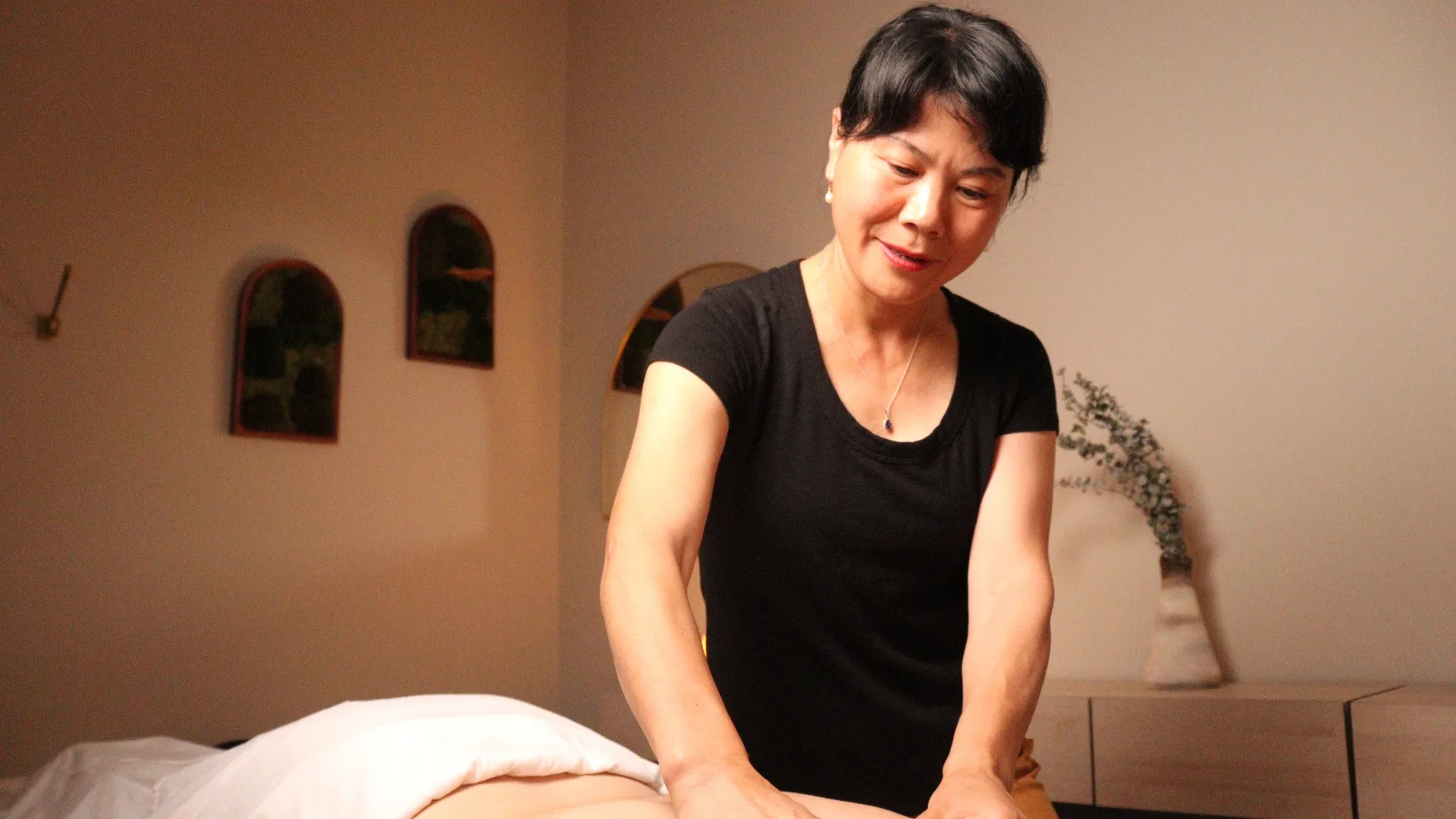
Myofascial massage uses slow, sustained, specific pressure to release restrictions in your fascia, the connective tissue that wraps and links every muscle in your body. Standard massage strokes glide over muscle. Myofascial massage stays in one place, sinks in, and waits for the tissue to soften.
That slow pace is the point. Fascia responds to time under pressure. Here is how a session works, what it feels like, and the kinds of tension it addresses.
How a Myofascial Massage Session Works
Your therapist starts by assessing how you move. Restricted fascia shows up as areas that feel stuck, pull on nearby tissue, or limit your range of motion.
Then the hands-on work begins. Follow this sequence during your session to get the most from it:
Step 1: Communicate your problem areas. Tell your therapist where you feel tight and which movements bother you. Specific detail guides the treatment.
Step 2: Expect sustained holds. Your therapist applies pressure to a restricted area and holds it, often for 90 seconds or longer. This gives the fascia time to release.
Step 3: Breathe and stay relaxed. Bracing against the pressure works against the release. Slow breathing helps the tissue let go.
Step 4: Give feedback. The pressure feels like a deep, spreading stretch. It stays within your tolerance. Speak up if anything feels too intense.
What It Feels Like
Fascia massage feels different from a typical deep tissue session. There is less gliding and more holding. You feel a slow stretch that builds, then eases as the tissue releases.
Some areas feel tender under sustained pressure. That tenderness fades as the restriction lets go. Many people feel lighter and looser immediately after, with easier movement in the treated area.
Mild soreness the next day is normal. Drink water and keep moving gently.
What Myofascial Therapy Helps
Myofascial therapy targets restrictions that regular muscle work leaves behind. It is commonly used for:
Chronic neck and shoulder tension, especially from desk work
Lower back tightness that returns after standard massage
Limited mobility in the hips, shoulders, or spine
Postural strain from repetitive daily patterns
Recurring tight spots that stretching alone does not resolve
Fascia connects across regions, which is why tightness in one area creates discomfort somewhere else. Treating the fascial line, rather than a single muscle, addresses the source.