You searched for myofascial massage near me because something hurts, feels tight, or keeps coming back. You want relief, and you want to book with someone who knows what they are doing.
This guide keeps it practical. You will learn how to spot a quality practitioner near you, what your first session involves, and why an assessment matters more than most people realize.
If you want the full background on what myofascial massage is and how it works, read our earlier post on the technique. Here, we focus on getting you booked with the right person.
How to Evaluate a Myofascial Massage Near Me Search Result
Search results give you a list. They tell you very little about quality. Use these checks before you book:
Look for a registered massage therapist. Searching for a registered massage near me filters out unregulated practitioners and connects you with someone accountable to professional standards.
Check if they mention assessment. A practitioner who assesses before treating builds your session around your body, your history, and your goals.
Read reviews for specifics. Reviews that mention lasting results and clear explanations carry more weight than generic praise.
Call and ask questions. Ask how they approach chronic tension. A confident, clear answer tells you a lot.
Most people skip this step. Ten minutes of research saves you from paying for sessions that go nowhere.
What Your First Session Involves
A quality first session follows a predictable rhythm. Here is what to expect:
1. Health history and conversation. Your therapist asks about your pain, your daily habits, past injuries, and what you want to change.
2. Movement assessment. You bend, reach, and turn while the therapist watches how your body moves. Restrictions show up in movement long before they show up on a table.
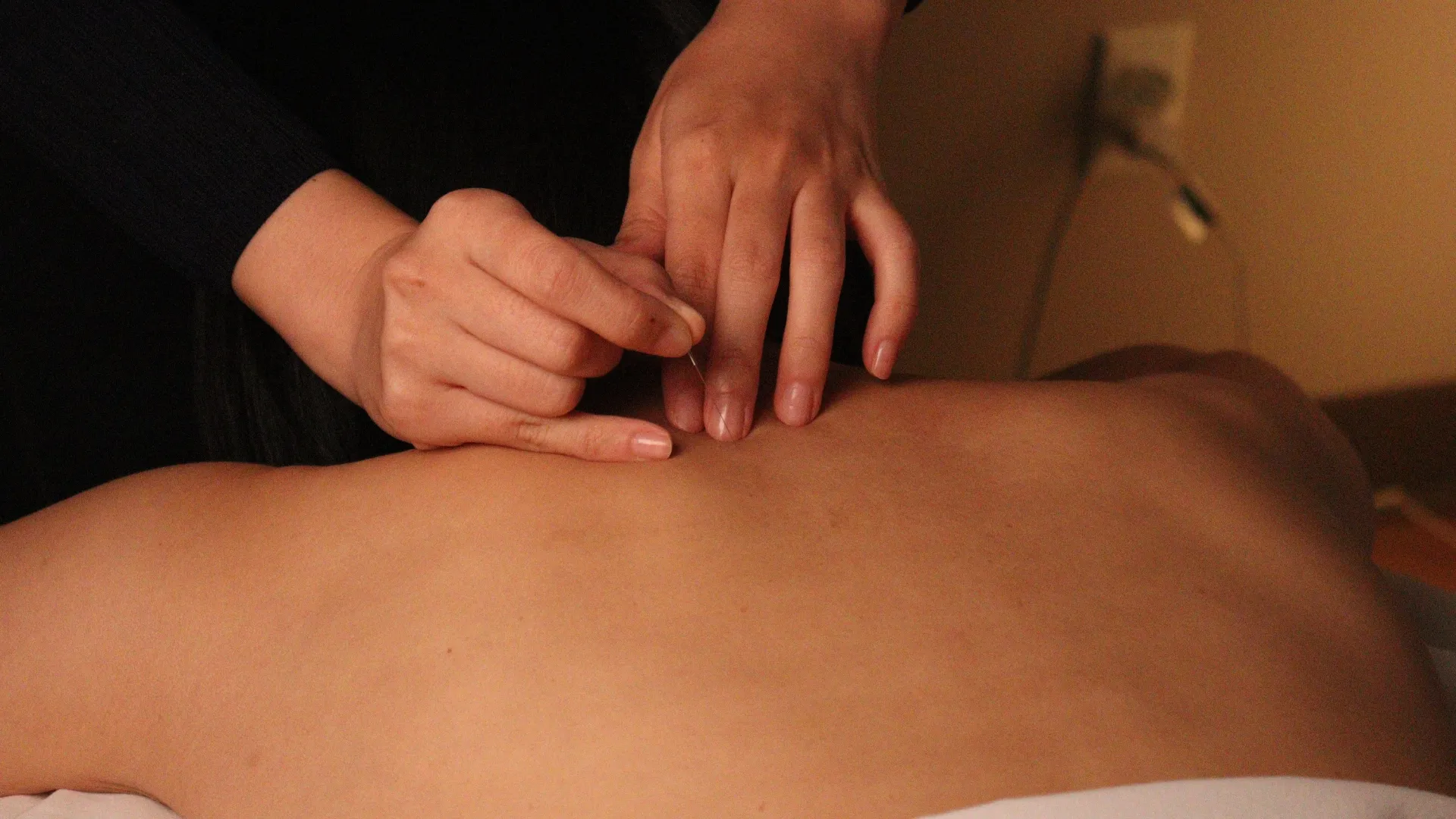
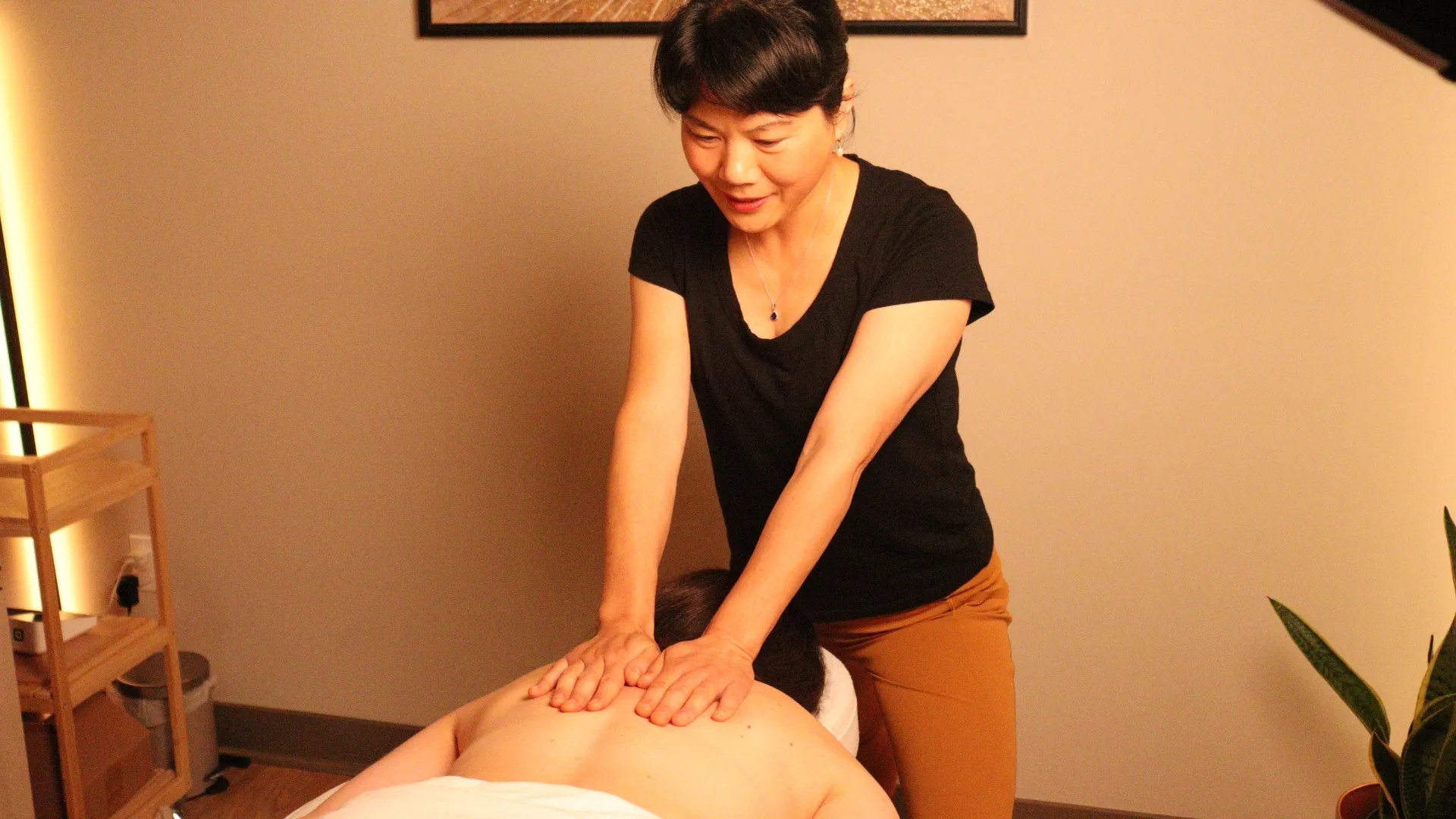
3. Hands-on treatment. The therapist applies slow, sustained pressure to restricted fascia. It feels deep and deliberate. Tell them if anything feels too intense. Good practitioners adjust.
4. A plan. You leave with a clear picture of what was found, what was treated, and what comes next. Expect simple homework, often stretches or movement changes.
Wear comfortable clothing you can move in. Drink water afterward. Some soreness for a day is normal.
Why an Assessment-Led Practitioner Matters
Anyone can press on tight muscles. An assessment-led practitioner finds the source of the restriction, which is often a distance away from where you feel the pain.
Your shoulder pain can start in your neck. Your hip tightness can trace back to how you sit. Assessment finds these connections. Treatment without assessment addresses symptoms and leaves the cause in place.
When you compare clinics offering myofascial massage near you, ask each one how they assess. The answer separates practitioners who follow a routine from practitioners who solve problems.