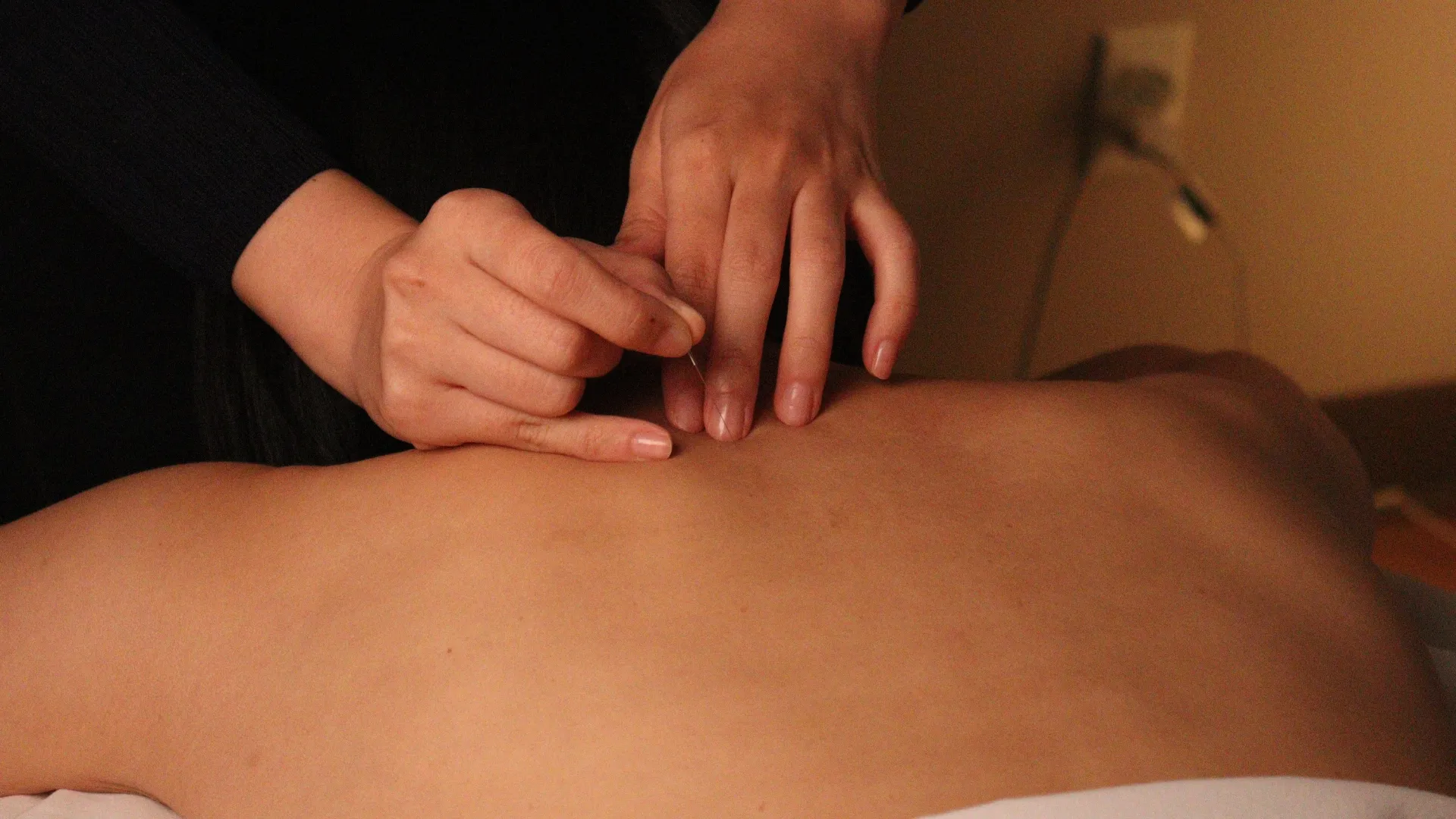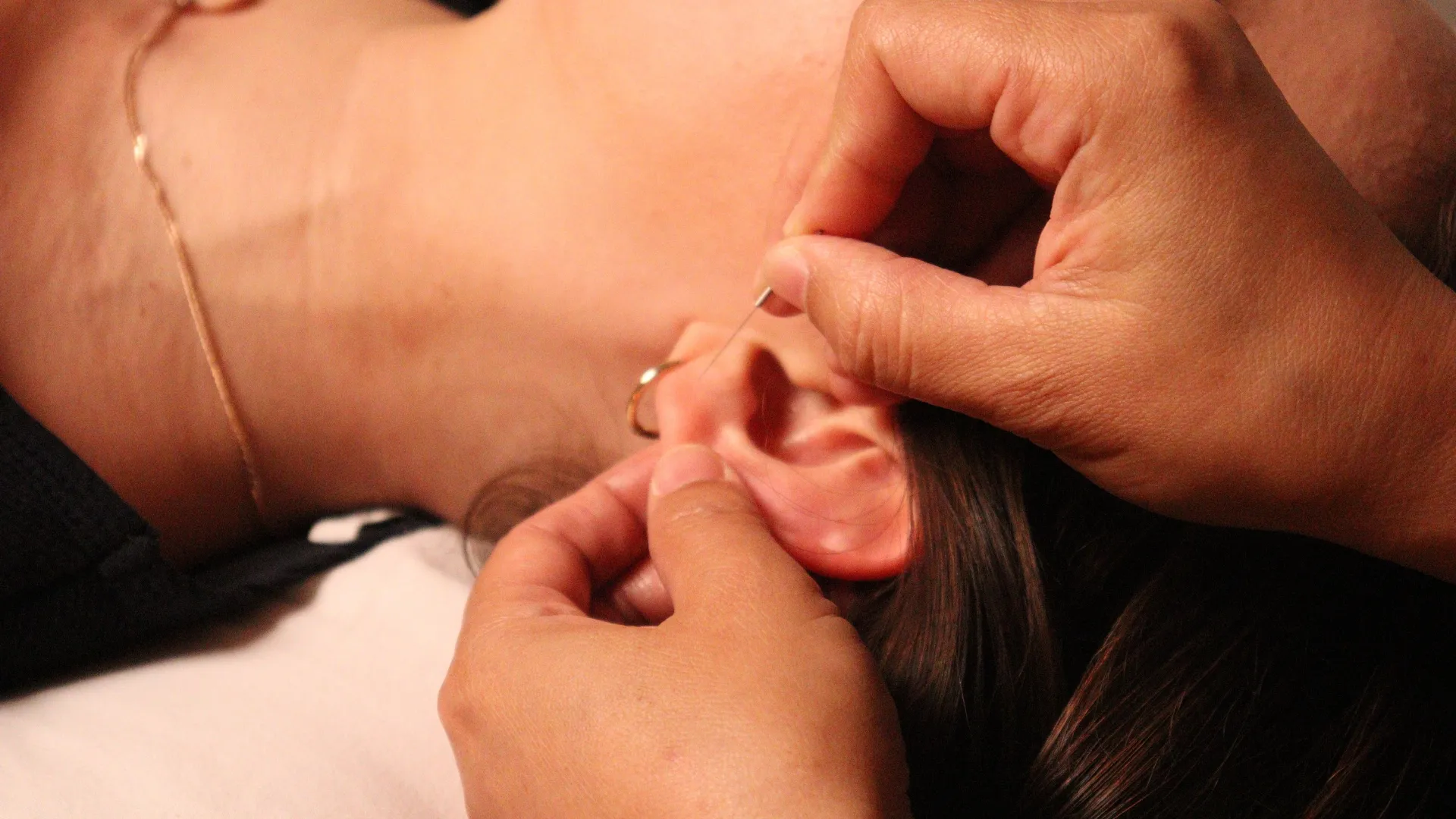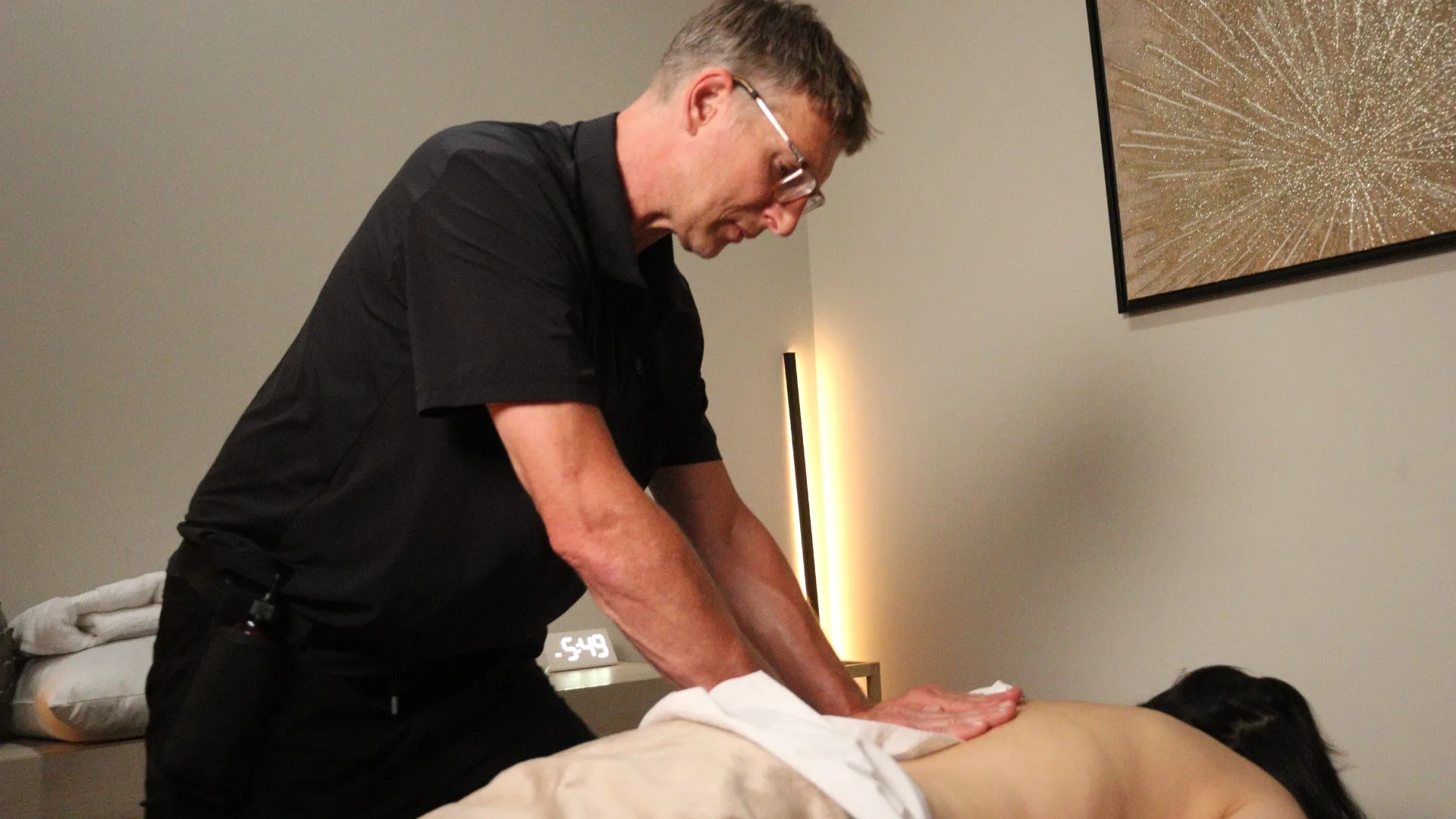
Most people book registered massage therapy in Vancouver for a specific reason. Their neck locks up after long desk hours. Their low back aches after lifting, sitting, or standing too long. Their shoulders carry stress they stopped noticing months ago.
These complaints feel local. The cause usually runs deeper.
An RMT looks past the sore spot to find the pattern producing it. That distinction shapes everything about how the work gets done, and it is the reason people search for registered massage therapy vancouver instead of a quick rub for a tight muscle.
The Four Most Common Reasons People Book
Neck and shoulder tension. Hours at a screen pull your head forward and load the muscles along your neck and upper back. Treatment may help relieve that tightness and restore easier movement when you check your blind spot or reach overhead.
Low back pain. Your low back often works overtime to compensate for stiff hips or a weak core. Hands-on work eases the guarded muscles so the whole area can settle.
Stress-held tightness. Stress lives in the body. Jaw, shoulders, and diaphragm hold it first. Massage may help release that stored tension and give your nervous system room to downshift.
Post-activity recovery. After a hard run, a heavy training block, or a weekend hike, treatment eases sore tissue and supports your return to normal movement.
How Registered Massage Therapy in Vancouver Targets the Root Pattern
A registered massage therapist starts with assessment. Before any hands-on work, your RMT Vancouver session includes a health history, movement testing, and palpation to map where the restriction actually starts.
This matters because the painful spot and the driving spot often differ.
Neck pain frequently traces back to the upper back and shoulder girdle. Low back tightness often connects to the hips. Treating only where it hurts brings short relief. Treating the pattern addresses the source.
Your therapist then works the full chain involved: the tissue that hurts, the tissue that compensates, and the tissue that started the problem. You leave with a clearer picture of what your body is doing and a few practical steps to support the work between sessions.
What You Can Expect From Treatment
Regulated training sits behind every registered treatment. That means clinical assessment, clear reasoning, and techniques matched to your specific presentation.
Realistic outcomes look like this:
Tension that eases instead of returning within a day
Movement that feels less guarded
A better understanding of what triggers your pattern
Simple guidance you can use at home
Progress builds over a few sessions as the pattern changes, since long-held tension rarely resolves in a single visit.