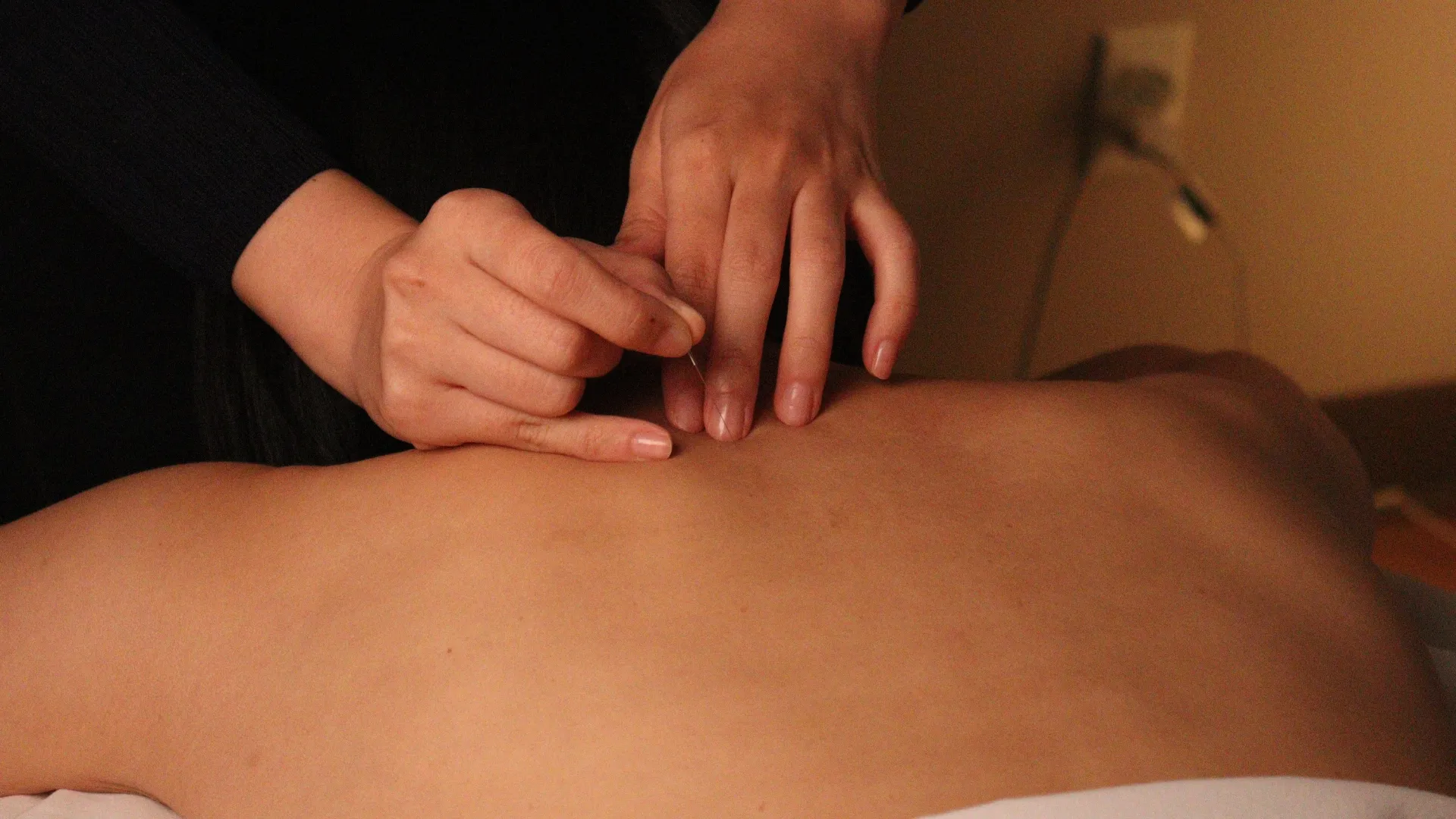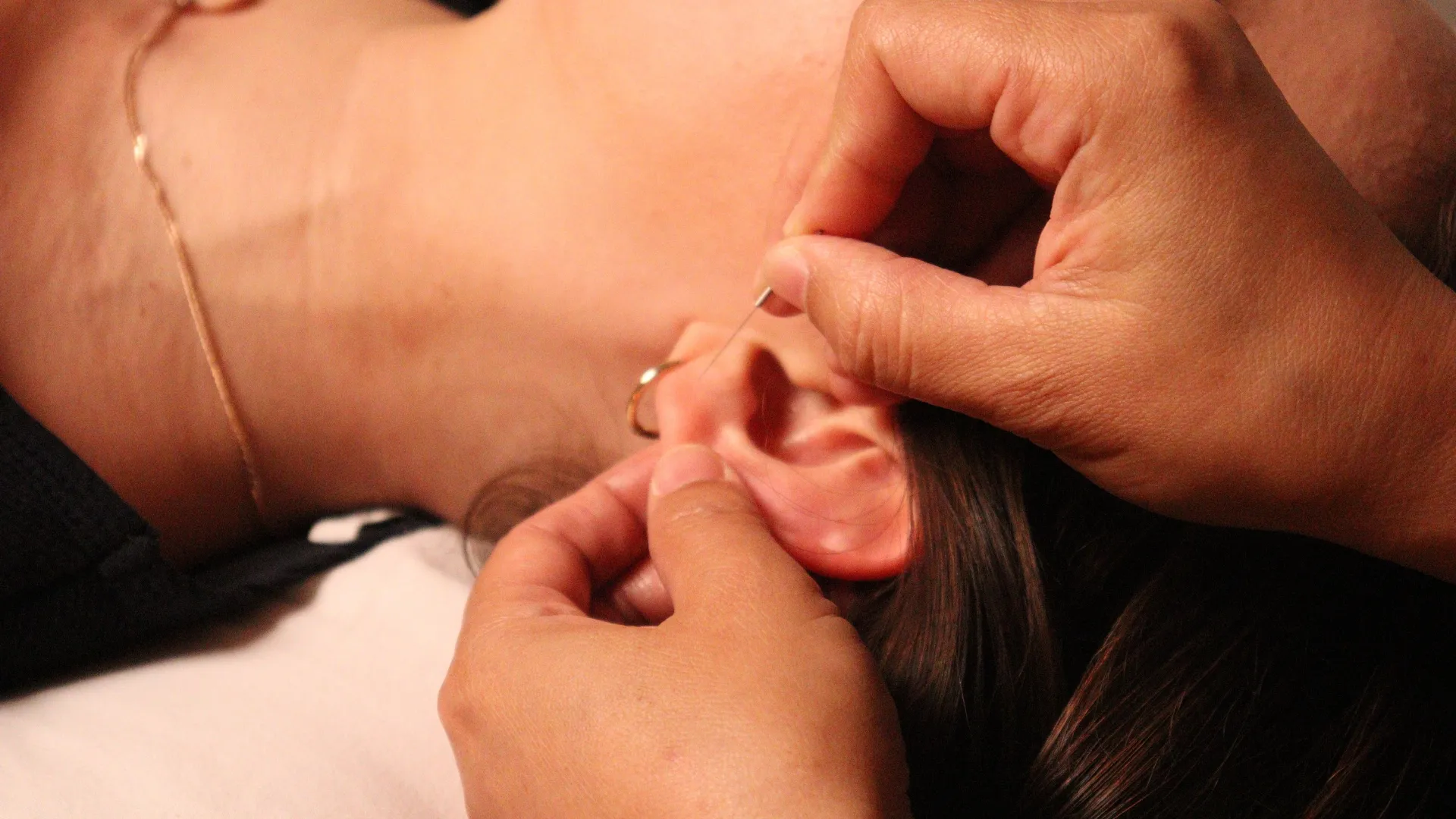
You feel it a few seconds after the needle goes in. A deep, dull, spreading sensation, almost like a heaviness that radiates outward from the point. Many clients tense up and wonder if something went wrong.
Something went right.
That sensation has a name: de qi. In acupuncture therapy, it signals that the point has activated. This is one of the most misunderstood moments in a session, and understanding it changes how the whole experience feels.
What De Qi Actually Feels Like
Clients describe it in different ways:
A dull, deep ache around the needle
A heavy or full feeling, like gentle pressure from inside
A warmth or tingling that spreads along a pathway
A brief pulling sensation, as if the tissue is responding
Notice what is missing from that list: sharp, stinging, or burning pain. Those sensations mean something different, and your practitioner wants to know about them right away.
De qi is deep and dull. Pain is sharp and surface level. That distinction matters more than almost anything else you learn before your first session.
Why De Qi Matters in Acupuncture Therapy
In traditional practice, de qi means the needle has connected with the body's energy at that point. Practitioners have used this feedback for centuries to confirm they reached the right depth and location.
Here's what that means for you in practical terms: de qi is a signal, and your practitioner reads it in real time. When you report that spreading heaviness, your practitioner knows the point is engaged and can adjust the treatment around your body's actual response.
Many clients feel a noticeable shift after de qi arrives. The area softens. Breathing slows. Some people describe a wave of calm that settles in during the session.
Speak up during your session. Saying "I feel a deep ache here" gives your practitioner useful information. Silence gives them nothing.
De Qi Is Feedback, Pain Is a Warning
This is where the confusion usually starts. Both sensations involve a needle, so people assume any feeling equals a problem.
A simple way to hold the difference:
De qi spreads, feels dull, and often fades into warmth or heaviness
Pain stays sharp, localized, and demands your attention
If anything feels sharp or stinging, tell your practitioner immediately. Adjusting a needle takes seconds, and no one expects you to tolerate discomfort quietly.
Over several sessions, most clients learn to recognize their own de qi pattern. Some feel it strongly at certain points and barely at others. That pattern gives your practitioner a clearer picture of how your body responds to acupuncture therapy over time.
Your First Session at Zen Quest Wellness
If you searched for acupuncture vancouver and felt unsure about what the needles actually feel like, you now know more than most first-time clients. The deep ache is information. Your practitioner uses it, and so can you.
Zen Quest Wellness sits in downtown Vancouver, which makes us a convenient answer if you have been looking up acupuncture near me on your lunch break. Our practitioners explain every sensation as it happens, so nothing during your session surprises you.