You know the physical signature by heart. The shallow breath that never quite reaches your belly, the tight chest, the jaw you catch yourself clenching at your desk. Then the 3am waking, mind racing, with no clear reason you can point to.
We meet a lot of people at Zen Quest Wellness who have already tried to think their way out of this. They have read the books and done the breathing apps. They arrive tired, and a little skeptical, and we respect both. This article explains how we understand anxiety through the lens of Traditional Chinese Medicine, and what actually happens when you come in for acupuncture for anxiety.
How Traditional Chinese Medicine Understands Anxiety in the Body
In Traditional Chinese Medicine, anxiety is understood as a pattern in the whole person, and the body holds that pattern in specific, readable ways. The framework starts with Qi, which you can think of as the body's working energy. When Qi moves freely, you feel settled. When it stagnates, pressure builds somewhere, and that pressure has to go somewhere.
3 organ systems matter most here. In Traditional Chinese Medicine, the Heart governs calm and sleep, the Liver keeps Qi moving smoothly, and the Spleen handles digestion and overthinking: when any of these are under sustained pressure, the effects show up in the body.
At Zen Quest Wellness we call 1 common version of this the Heart Overload stress pattern: wired and exhausted in the same evening, waking at 3am with your mind already sprinting, shoulders near your ears. If that description landed, the pattern is doing exactly what patterns do. It repeats until something interrupts it.
What Happens in an Acupuncture Session for Anxiety
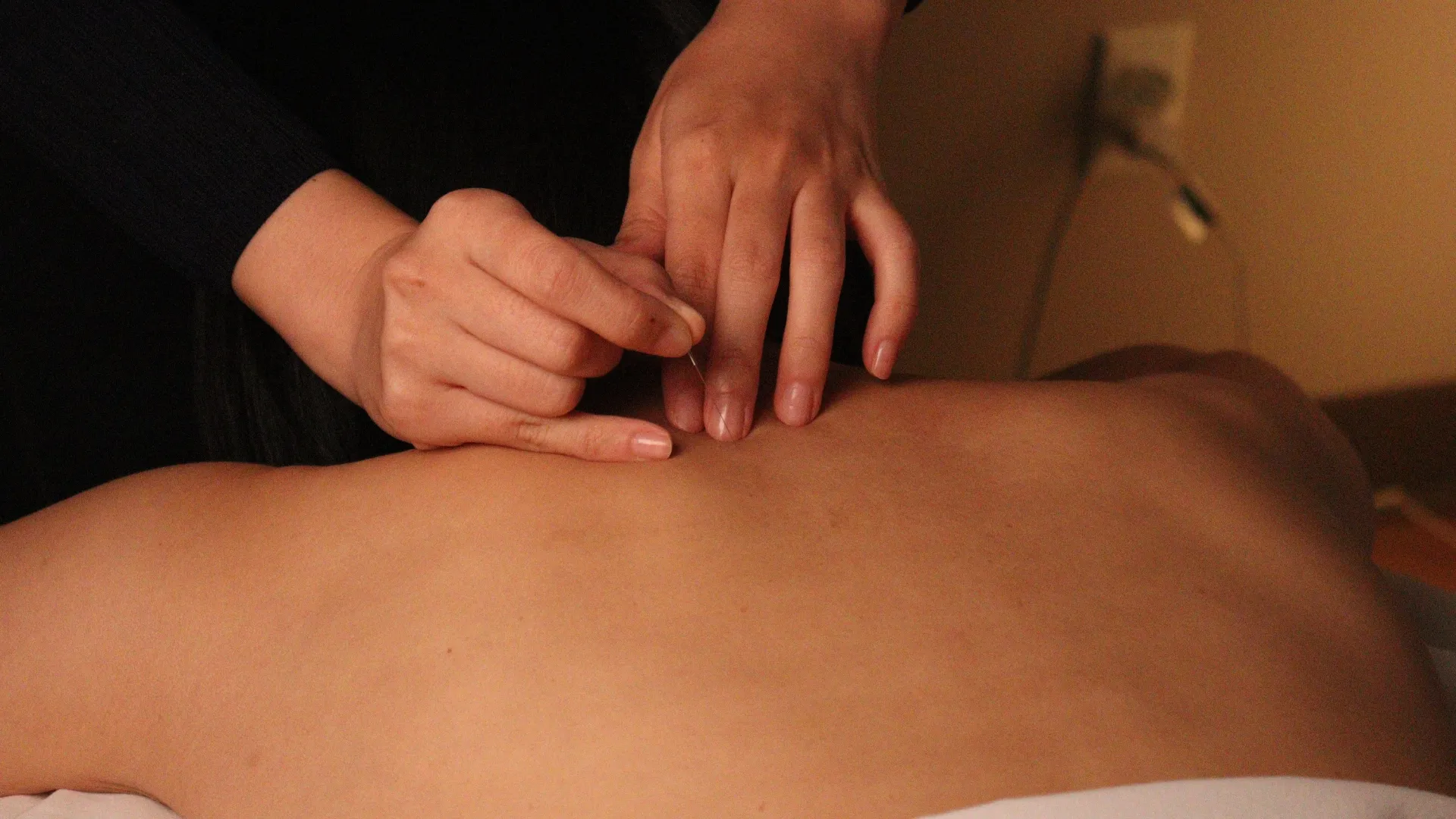
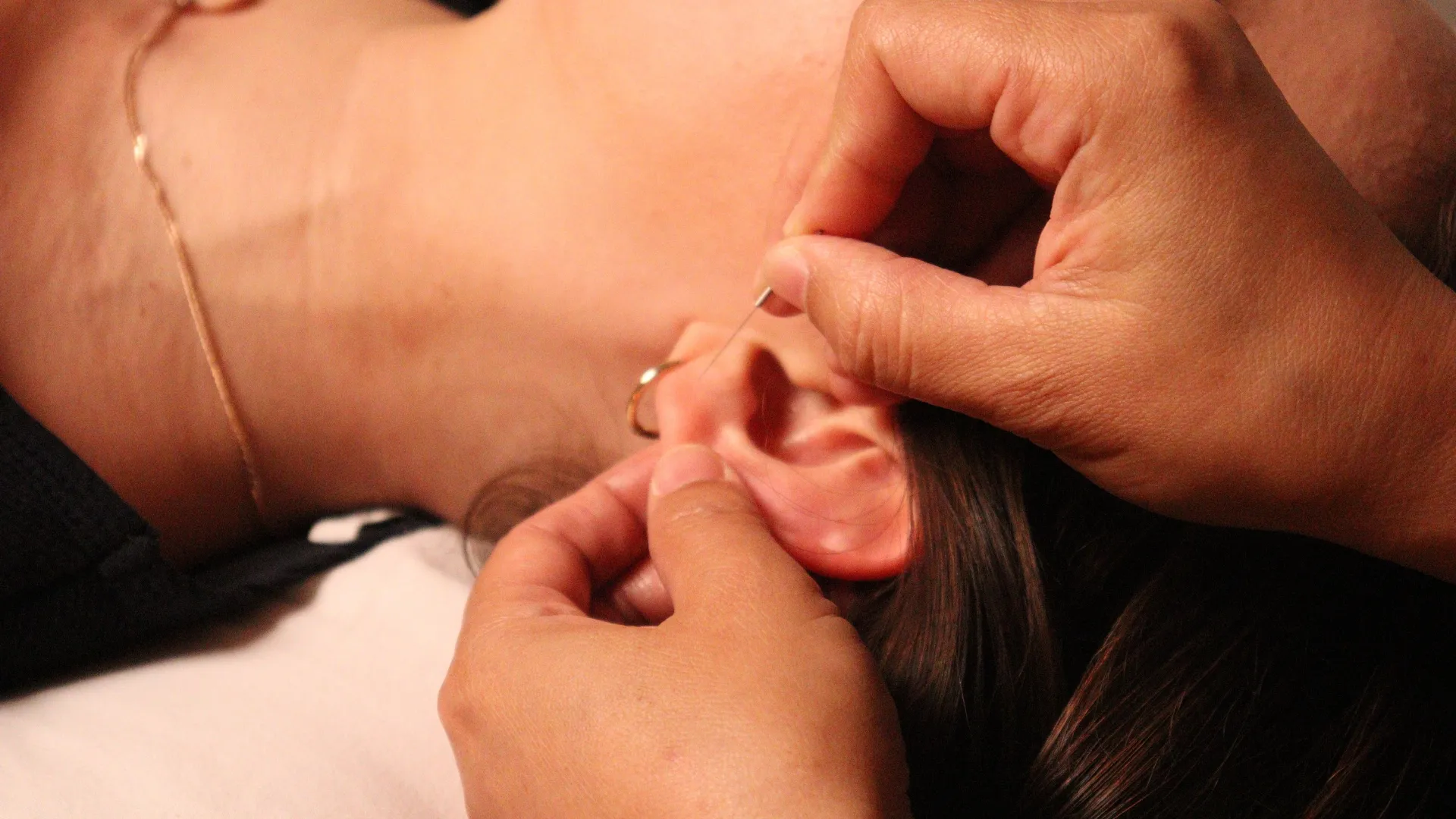
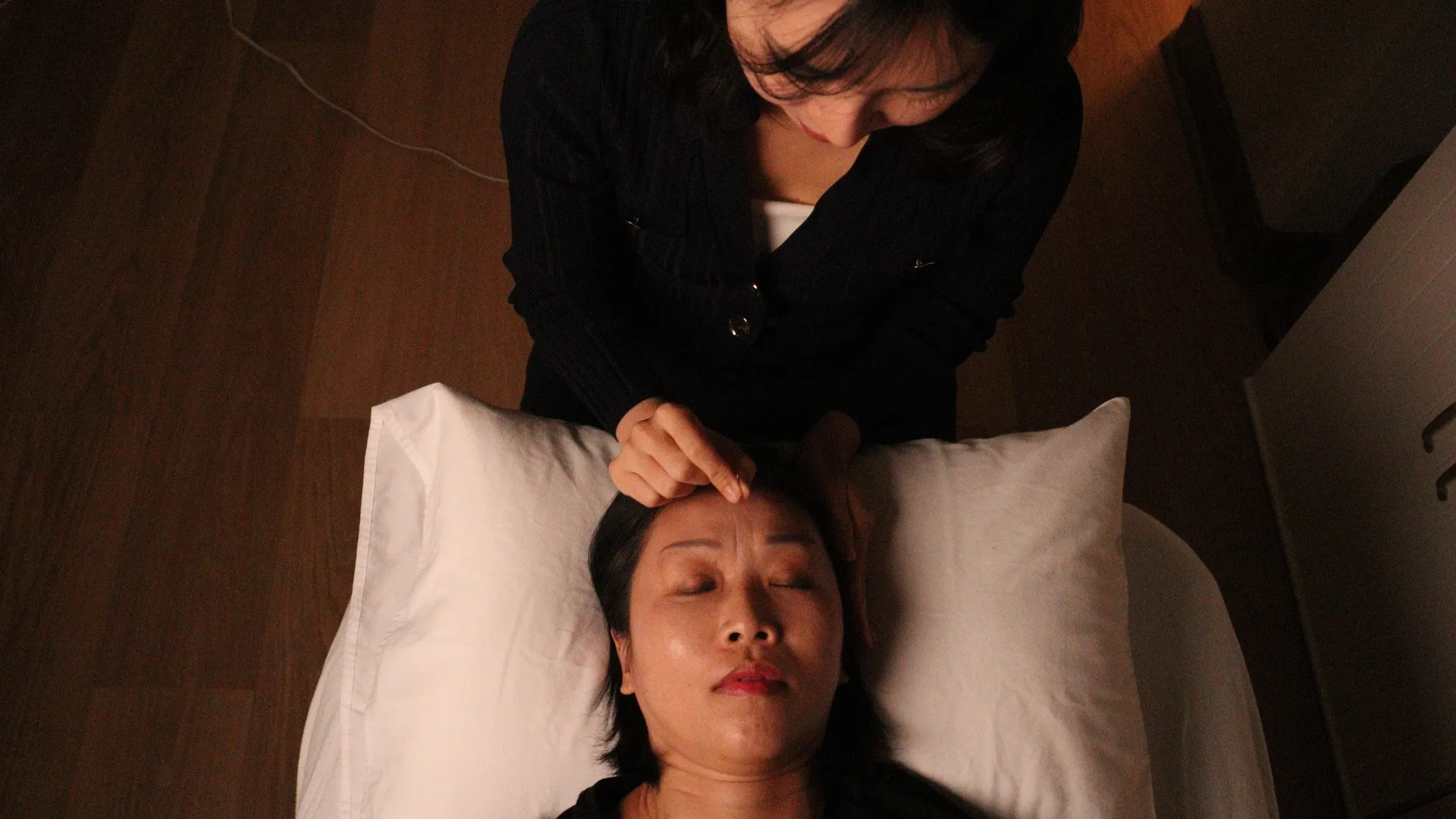
Your first session is 60 minutes. It begins with an unhurried conversation: your practitioner asks about sleep, digestion, energy, and where tension lives in your body, then looks at your tongue and feels your pulse at the wrist. In Traditional Chinese Medicine, both carry information about which pattern is active. Then you lie down on a warm table, fully clothed except where points need access. Very fine, sterile, single-use needles are placed at specific points on the forearms, lower legs, feet, or scalp. Most people describe a brief pinch, then a dull heaviness that fades. Many clients fall asleep on the table. Individual responses vary, and we encourage every client to speak with their care team about their own situation.
If You Are Skeptical, That Makes Sense
Trying something unfamiliar when you are already depleted takes real effort. Skepticism is a reasonable position, and we have no interest in talking you out of it with big claims.
What we can offer is transparency. We can tell you exactly what a session involves, what your practitioner assesses, and how Traditional Chinese Medicine frames what you are experiencing. You get to evaluate whether that framework speaks to what your body has been telling you. Some of our most committed clients walked in with their arms crossed. We consider that a fine way to arrive.
Acupuncture Alongside Your Existing Care
Acupuncture works alongside your existing care team. Your physician, your counselor, your medications if you take them, all of that stays in place. We see our role as 1 part of a whole person approach, and we build your integrative plan with that in mind. If you are in crisis or acute distress, please contact a physician, a mental health professional, or emergency services first. Acupuncture belongs in the supportive layer of care, and your safety comes before anything on this page.
What to Expect Over Time
A single session is a starting point. Patterns that took years to form respond to consistency, so your practitioner will typically suggest weekly sessions at first, then space them out as your body settles. Each session gives your practitioner more information about the underlying pattern, and the focus of each adjustment shifts accordingly. Sessions may also include cupping or lifestyle suggestions drawn from Traditional Chinese Medicine, depending on what your pattern calls for.
Registered Practitioners, Direct Billing, and Booking Your First Session
Every acupuncture and Traditional Chinese Medicine practitioner at Zen Quest Wellness is registered with the College of Complementary Health Professionals of BC (CCHPBC), the regulatory body for our profession in British Columbia. We offer direct billing through Telus eClaims for most insurers, so extended health coverage is simple to use.
You will find us at 658 Homer Street in downtown Vancouver, a 5 minute walk from Stadium–Chinatown SkyTrain Station, open Monday to Saturday, 10:30am to 6:00pm.